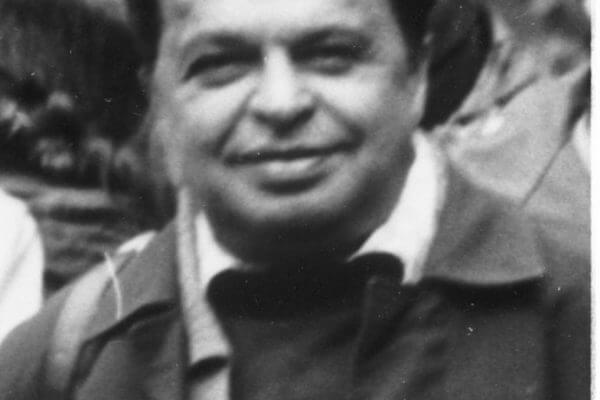
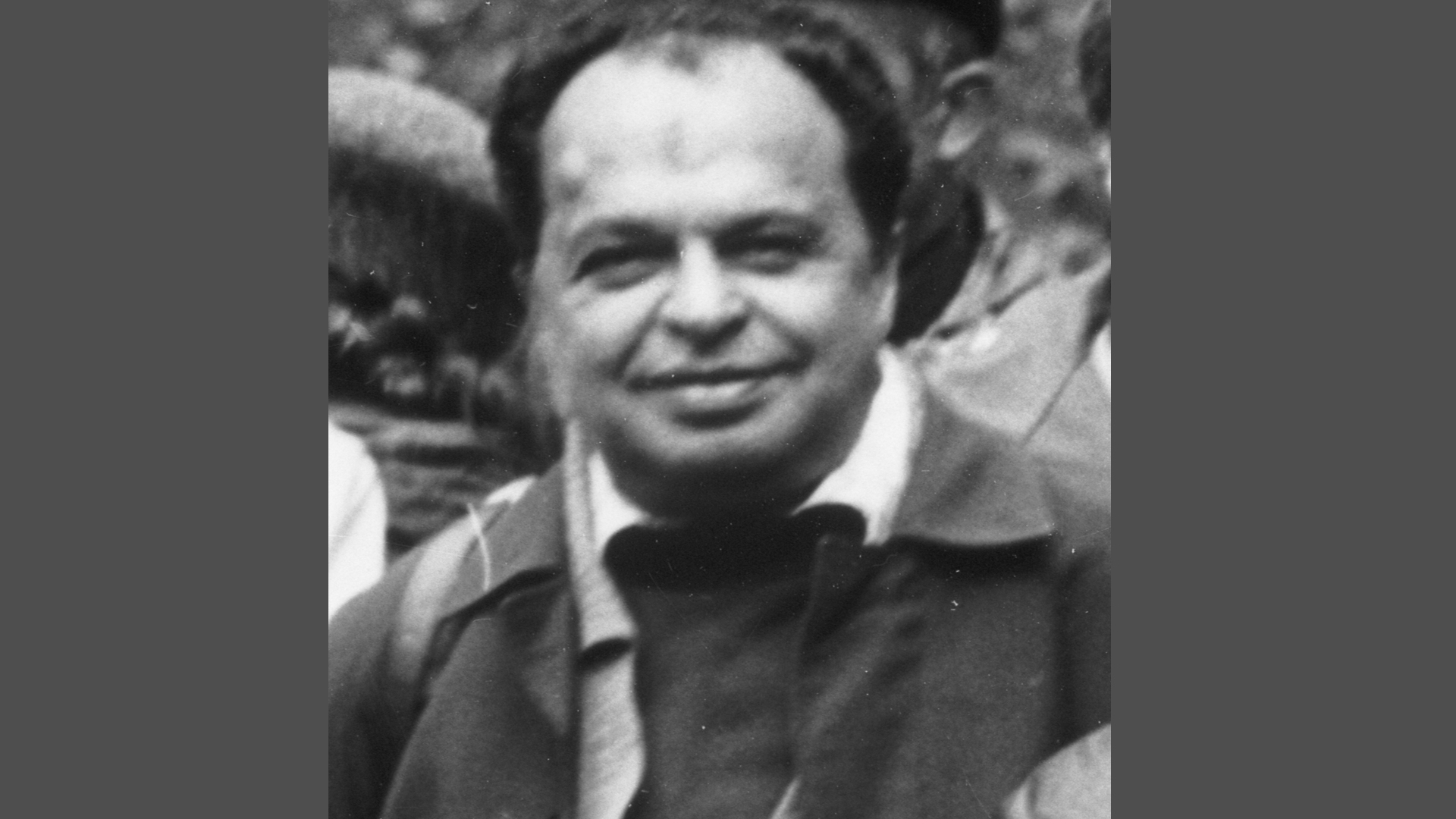
Director Tancred Bănățeanu continued the research, documentation, acquisitions and exhibition activities led by Alexandru Tzigara Samuracaș, but with the specific accents of the communist period. The museum made the transition from the management of an art historian to that of an ethnographer, in the person of Tancred Bănățeanu. The emphasis was shifted from the artistic characteristics of the decoration to those related to the social and ethnic contexts, the utility of the objects, the constructive elements and the type of raw material from which they were made.
During the directorship of Tancred Bănățeanu, numerous field campaigns were undertaken, for the research and acquisition of objects, according to the spatial criterion of villages, groups of settlements on river valleys and historical and ethnographic areas. Also, the objects acquired by the museum reflected the crafts and occupations of the era. In this context, Tancred Bănățeanu made the practical and theoretical distinction between folk art objects and handicrafts.
Thus, the museum's collections recorded the greatest quantitative growth during the Tancred Bănățeanu period.