
This research program, initiated by Vintilă Mihăilescu in 2005, with the establishment of an independent department with this mission, aimed to study and promote the current heritage – rural, in particular, but not limited to it – in Romanian society, taking into account the major changes that this field has experienced in recent times.
Heritage is one of the most dynamic fields, experiencing numerous changes in action and perception over time. If in the early period (late 18th and early 19th centuries) the concern of specialists was exclusively for the storage and conservation of monuments, antiquities and artistic heritage, today the notion of heritage has broadened so much that it tends to encompass the totality of human experiences, cultural heritage as a whole, but also the connection of man with nature and the environment (X. Greff, 1999; L. Turgeon, 2009; Lenclud, 2013).
A collective formed by historians, ethnologists and anthropologists studies patrimonialization as a complex social process, which involves individual, collective and institutional actors and which cannot be understood without analyzing the diverse meanings of heritage and the various stakes of its valorization and protection.
Since 2007, three distinct types of actions (research into various processes of patrimonialization and specific contexts, promotion of "recent heritage" in the form of exhibitions-events through collaborative programs with various cultural actors to encourage the associative spirit in order to preserve heritage, but also to use it in everyday life, as a resource for sustainable economic development, as well as the collection and preservation of certain heritage objects, testimonies of living memory and intangible heritage) structure the projects carried out within this program.
The interest of researchers and museologists is to understand and transmit in scientific and museographic form the various processes of patrimonialization, both in rural and urban environments, thus contributing to their awareness by society.
The projects included in this program follow one or more convergent directions, most often a project subsuming two or three of these directions, such as:
Patrimonialization and "plural identities"
This direction of action attempts to capture changes in perception and attitude towards the past and to implicitly refer to the diversity of forms of heritage and identity (individual/collective, generational, national/transnational, ethnic, regional, etc.).
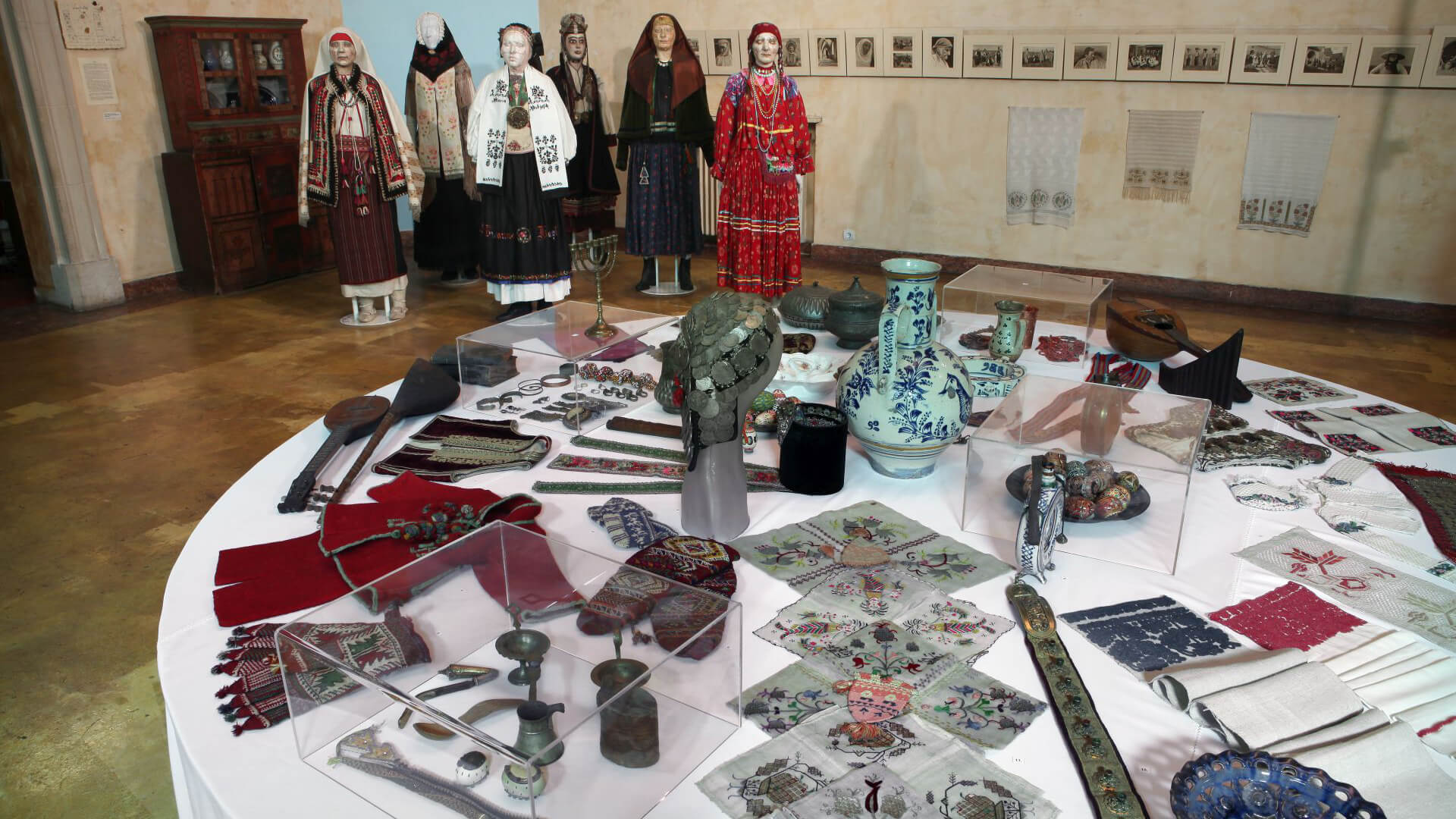
Through the programs and projects already carried out (“Village Collections in Romania”, “Treasures from an Unknown Chest”, “Following the Aromanians”, “Ada-kaleh”), a representation of this diversity of heritage forms and manifestations in Romania was envisaged.
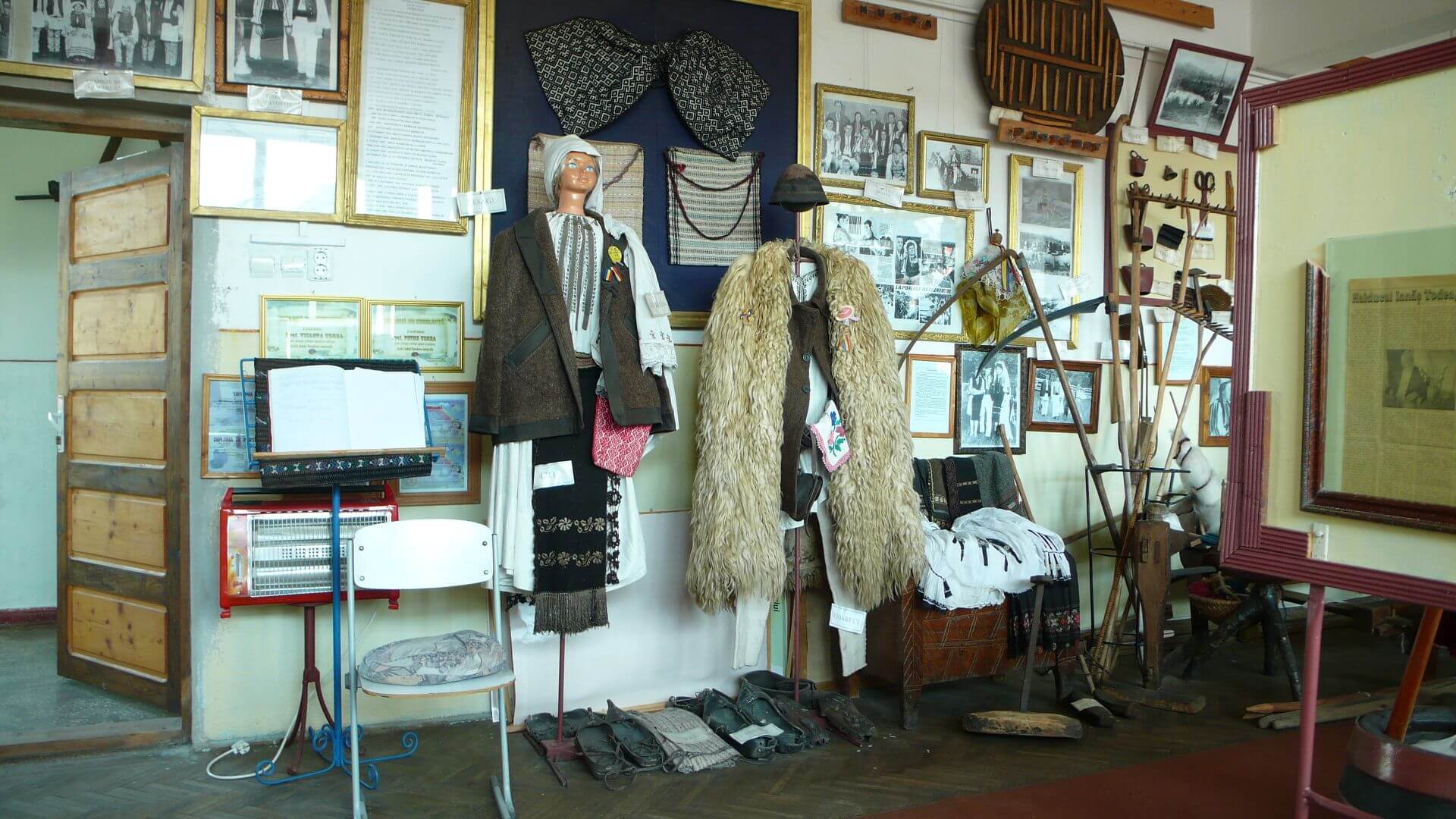
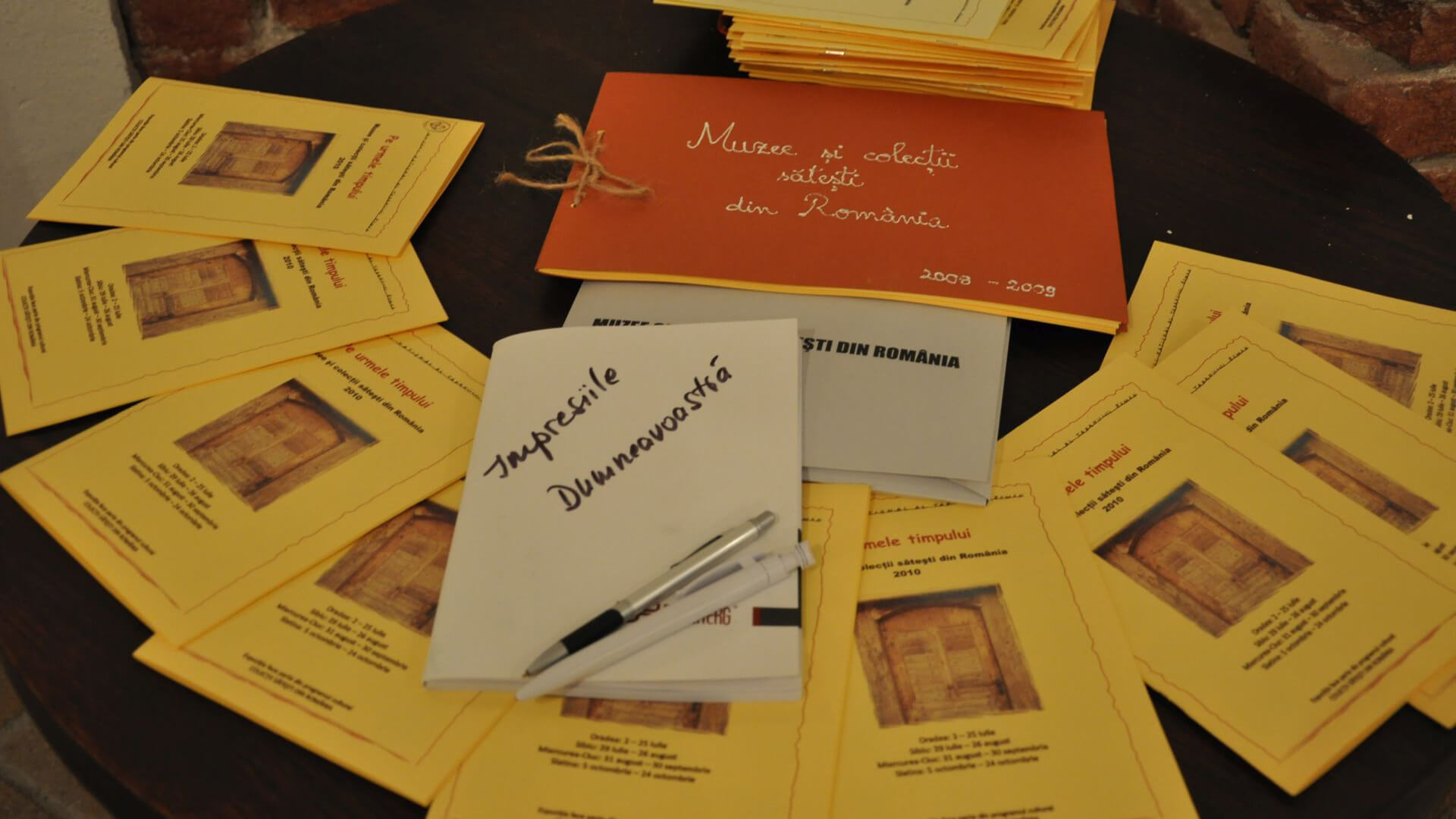
The “Village Collections in Romania” program largely reflects this research direction through its objectives (identifying, supporting and promoting private individuals, collectors from rural areas with concerns in the field of research, collection, management and valorization of assets associated by them with cultural heritage). The way in which, alongside objects of undoubted heritage character (in accordance with established regulations), numerous assets of more recent date are also valorized, but to which the respective collectors give special importance, relating them to a set of their own, assumed values, gives us clues about the ongoing process of patrimonialization.
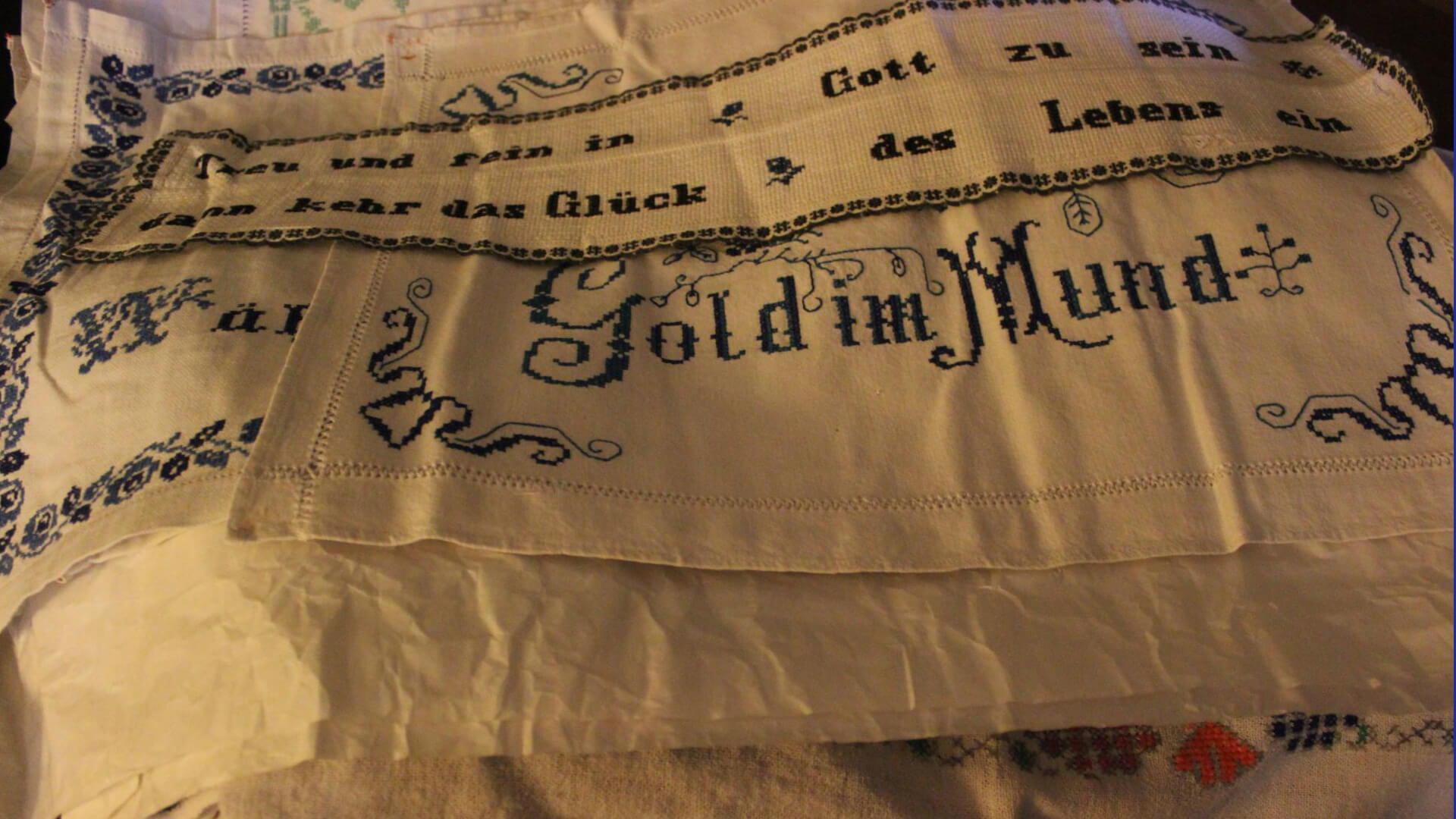
The exhibition cycle "Scents from an Unknown Chest" (2014 – 2015) complemented the aforementioned program by providing significant support from the MNȚR for the collectors' efforts to capitalize and promote the heritage they own, all the more valuable since the identity imprint is much more pronounced in their case than in the case of museum artifacts, which are otherwise very precious, but which are to a much lesser extent storage of elements of intangible heritage. The exhibitions "Scents from an Unknown Chest (I). Maria Pipaș – Lace and Embroidery" (2014); "Scents from an Unknown Chest (II). Marius Matei – The Port of Banat" (2014); "Scents from an Unknown Chest (III). Keri Gaspar – Plant Braids from the Ier Valley" (2015) and the volumes dedicated to the three collections, published by Martor Publishing House, contributed to the popularization of these efforts.
The cultural program "Once upon a time... Ada-Kaleh" (2011 – present) aimed to symbolically reconstruct, through individual stories, family destinies, living tactics, samples of local culture and craftsmanship, the fate after the evacuation of the inhabitants of the island of Ada-Kaleh, mostly of Turkish origin, witnesses of the dramatic social effects of some conjunctural political decisions, offering a perspective on the petty everyday life, starting from oral history testimonies and memories preserved in the collective memory, still active. The program's actions (field research in the territories inhabited today by the former islanders; "Once upon a time… Ada Kaleh", exhibition and video screenings at the International Festival Intercultural Art Dialogues Days, Istanbul, Turkey, 2011; "Once upon a time… Ada Kaleh", exhibition at the Râșnov Historical Film Festival, 2012; "Ada Kaleh, the island of the soul", research and exhibition project of the MNȚR in Bucharest, Constanța, Drobeta Turnu Severin; "Ada Kaleh. The island of the soul", exhibition at the National Museum Complex "ASTRA", Sibiu, 2013; "Ada Kaleh. The island of dreams and forgetfulness", exhibition at the MNȚR, 2013; publication of the volume "Adakale'li. The homeland in the pocket of the chest" in two editions, 2012, 2013; book launches, presentations at conferences and workshops in Bucharest and Istanbul) contributed to the study of a contemporary perception of the effects of uprooting and knowledge of how the local community built a new identity through the prism of inherited heritage.
Recent heritage and collective memory. Material heritage / immaterial heritage.
The relationship between heritage and memory is consubstantial. Material heritage can only be thought of in close symbiosis with intangible heritage, with oral traditions and customs, with life and experimental histories, with spiritual and everyday life rituals, expressions not only of an ethos, but also of a vision of the world. Heritage means a vehicle for signifying, for constituting the meaning of any existence. The heritage value of any object is given not only by its material existence but especially by the meanings transmitted, narrated, and the construction of the meaning ("sense making") with which objects are invested can only be done by appealing to the fundamental function of memory.
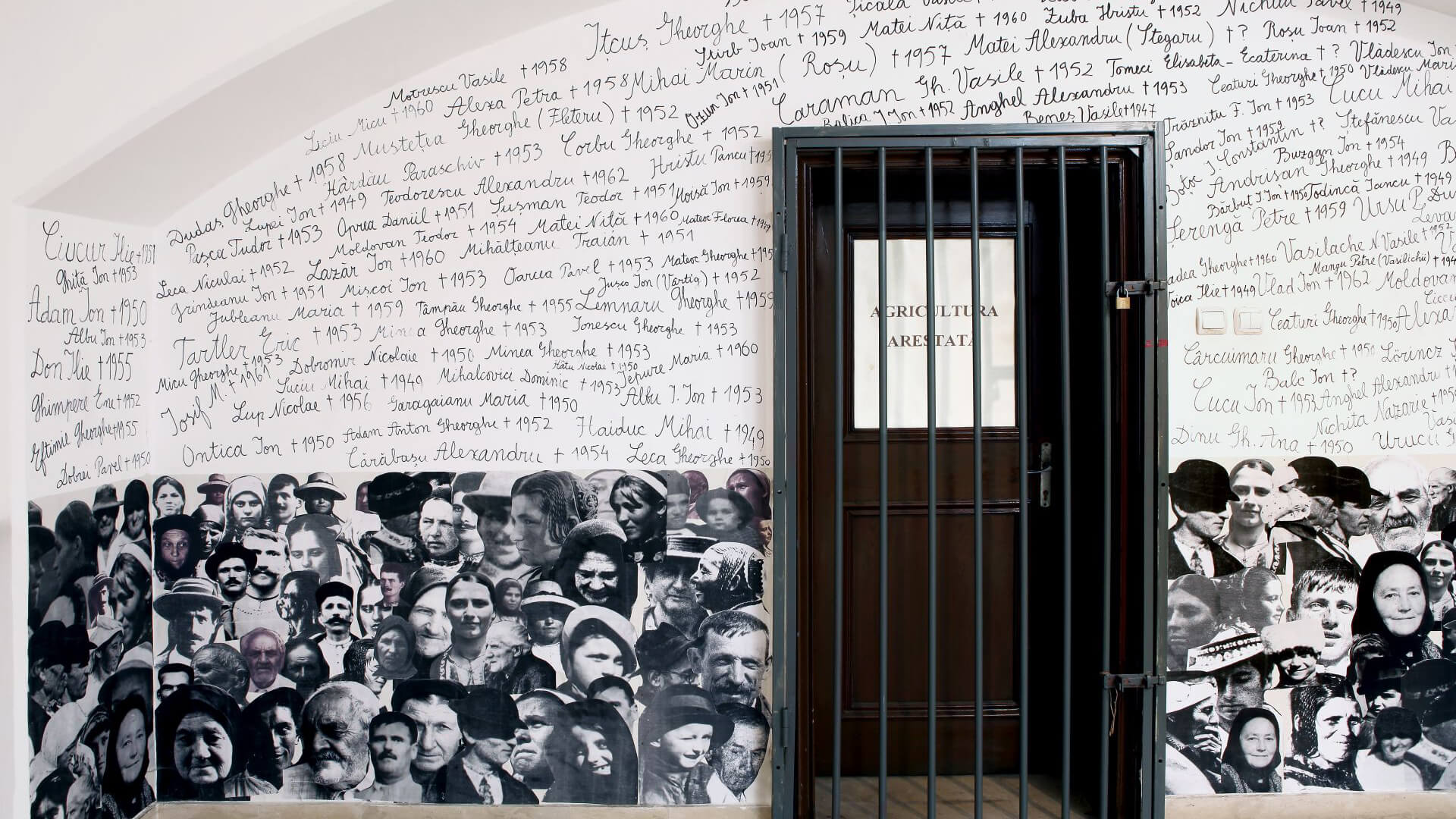
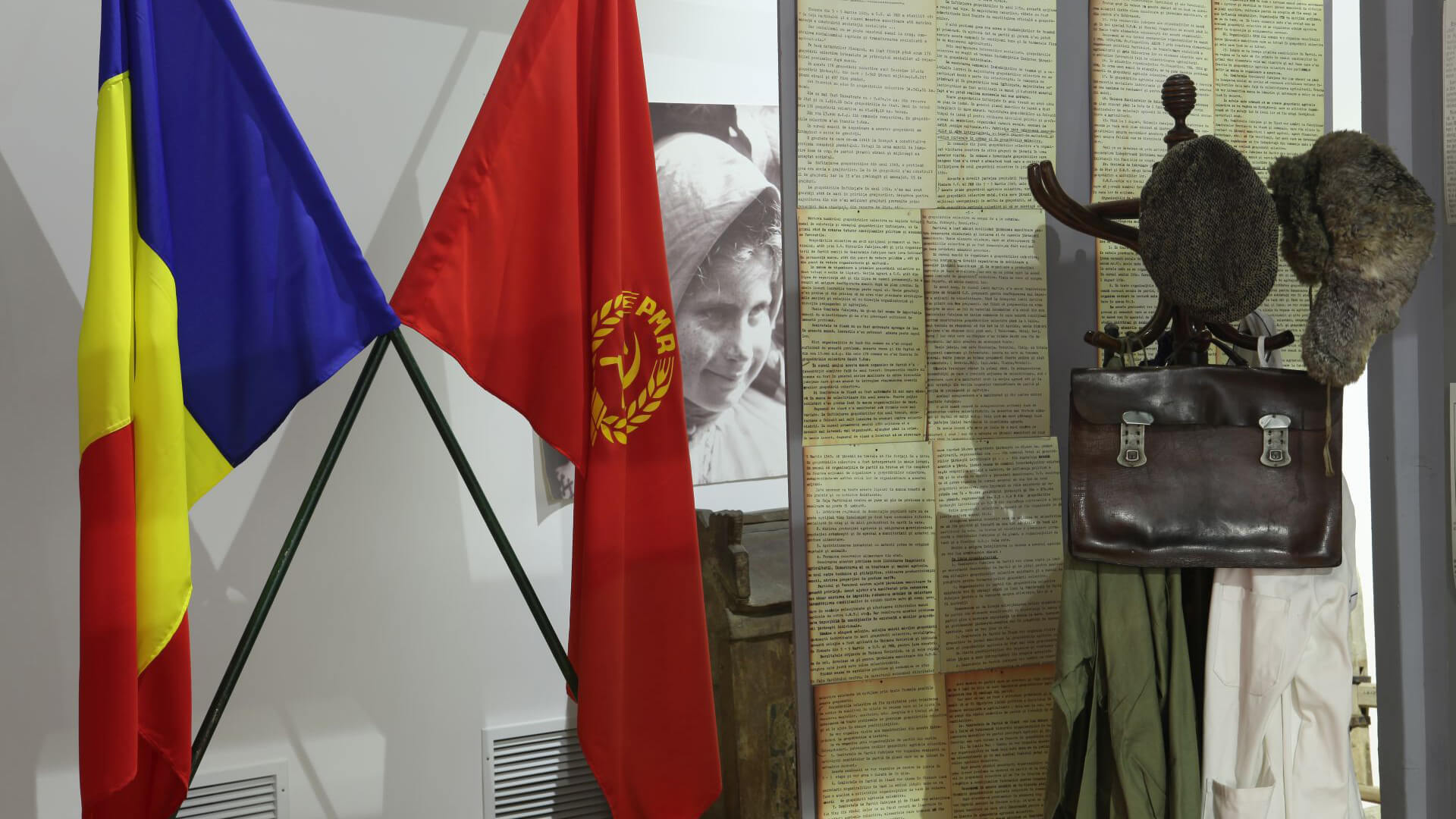
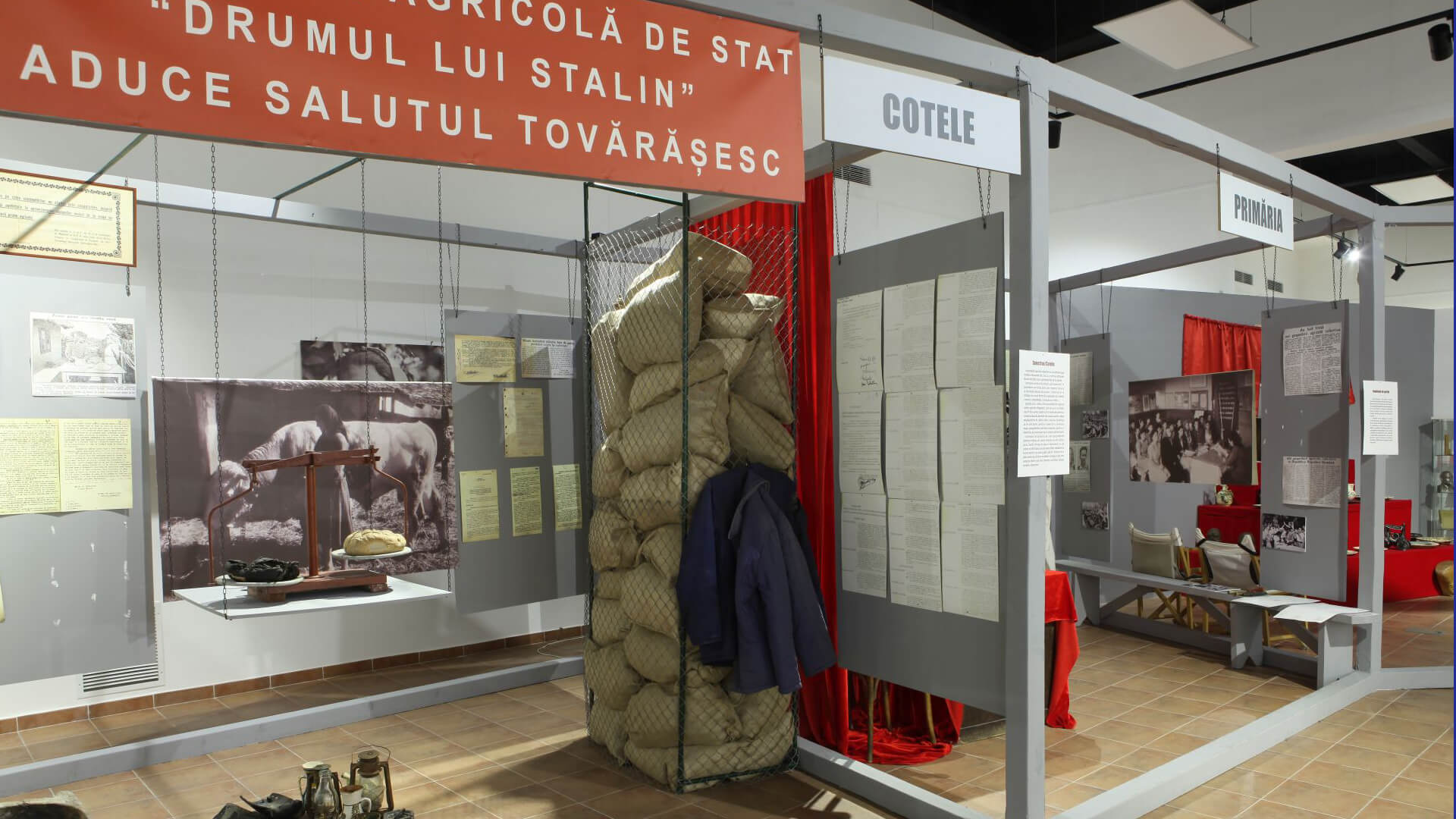
The Museum of the Romanian Peasant has stood out since its re-establishment in 1990 through the important attention paid to the memory of communism, many of the projects carried out over time being based on interdisciplinary research in anthropology and history of memory and providing a necessary framework for remembering and knowing Romanian communism. "The Archives of the Present Time", "The 80s and the Bucharesters", "The War against Peasants. The Years of Collectivization (1949-1962)" are some of the museum's projects favorably appreciated by both the academic environment and the general public. Three issues of the magazine Martor were dedicated to the memory of communism and post-communism (no. 5/2000, no. 7/2002, no. 10/2005).
Relevant to this research and promotion direction are the projects in the series “Daily Life in Communism”, a research program launched in 2009 and still ongoing, which aims to collect and capitalize on testimonies about various life experiences from the period 1945 – 1999 mainly through exhibitions organized at the headquarters of the MNR. The projects addressed various themes, such as recovering a consensual history of private life under communism, by confronting family memory research with archival research, the social memory of objects kept within the family, etc.
The research has supplemented the existing oral history archives within the MNR with audio-video testimonies that are available to researchers or students interested in the subject, and have been and continue to be disseminated through studies and articles published in specialized journals, including issue 17 of 2012 of the magazine Martor, which has as its theme "Daily life under communism. History, memory, forgetting".
Other relevant projects for this direction were "Once upon a time... Ada Kaleh" and "In the footsteps of the Armenians", both of which are incursions into the collective memory of communities and ethnic groups that dramatic events in the history of the last century brutally tore apart from their territories of origin, scattering them and forcing them to rebuild and redefine their identity in other spaces and cultures, and by relating to the majority Romanian population.
Patrimonialization as a result of economic changes and as a means of economic development.
This research direction considers the economic value of heritage, the way in which past experiences become resources for present and especially future development, means of identity distinction and at the same time economic development. This includes research projects that draw attention to aspects related to the current marketing of artisanal products, the application at local level and in terms of patrimonial plan of the market rules of the global economy.
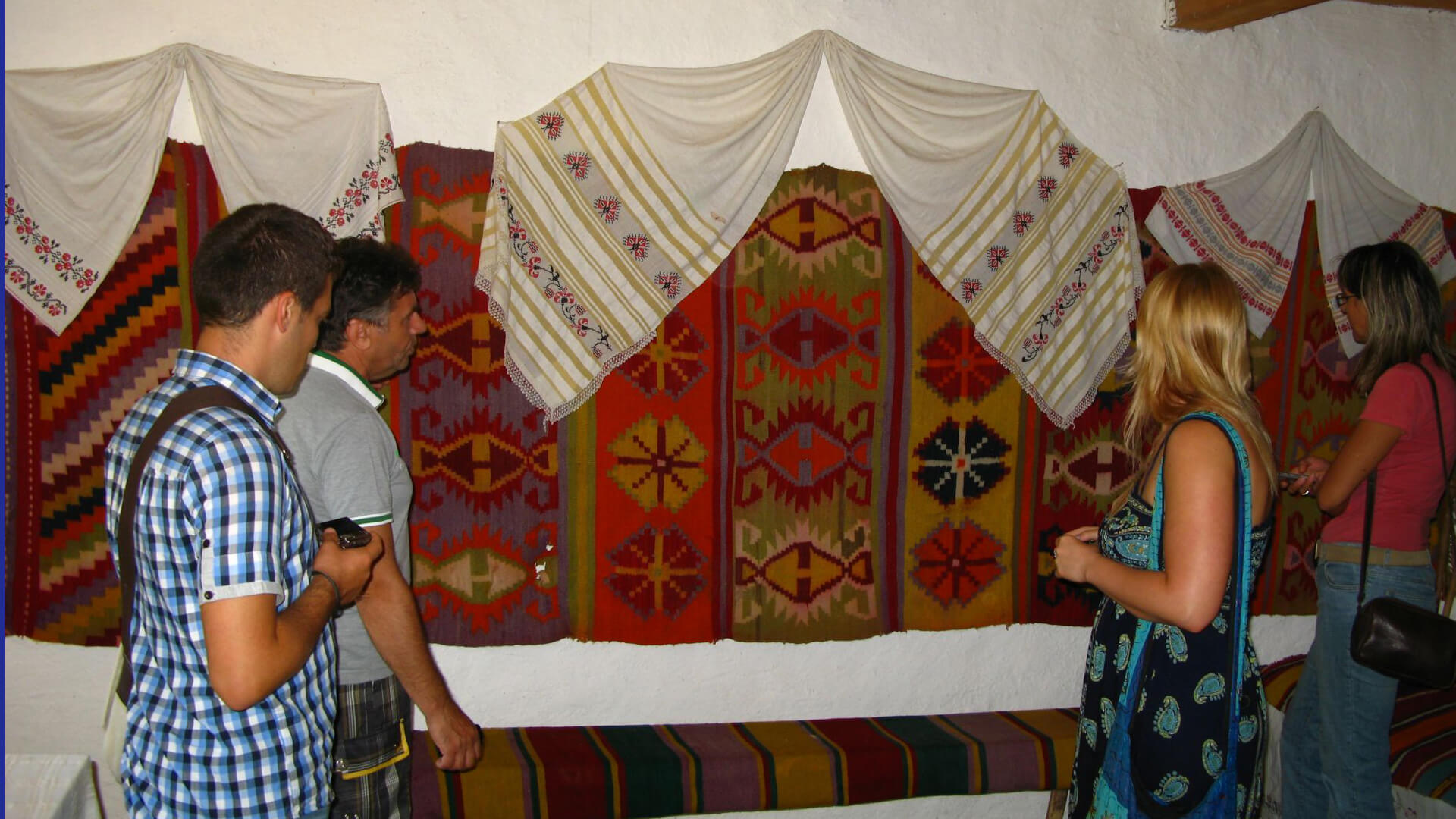
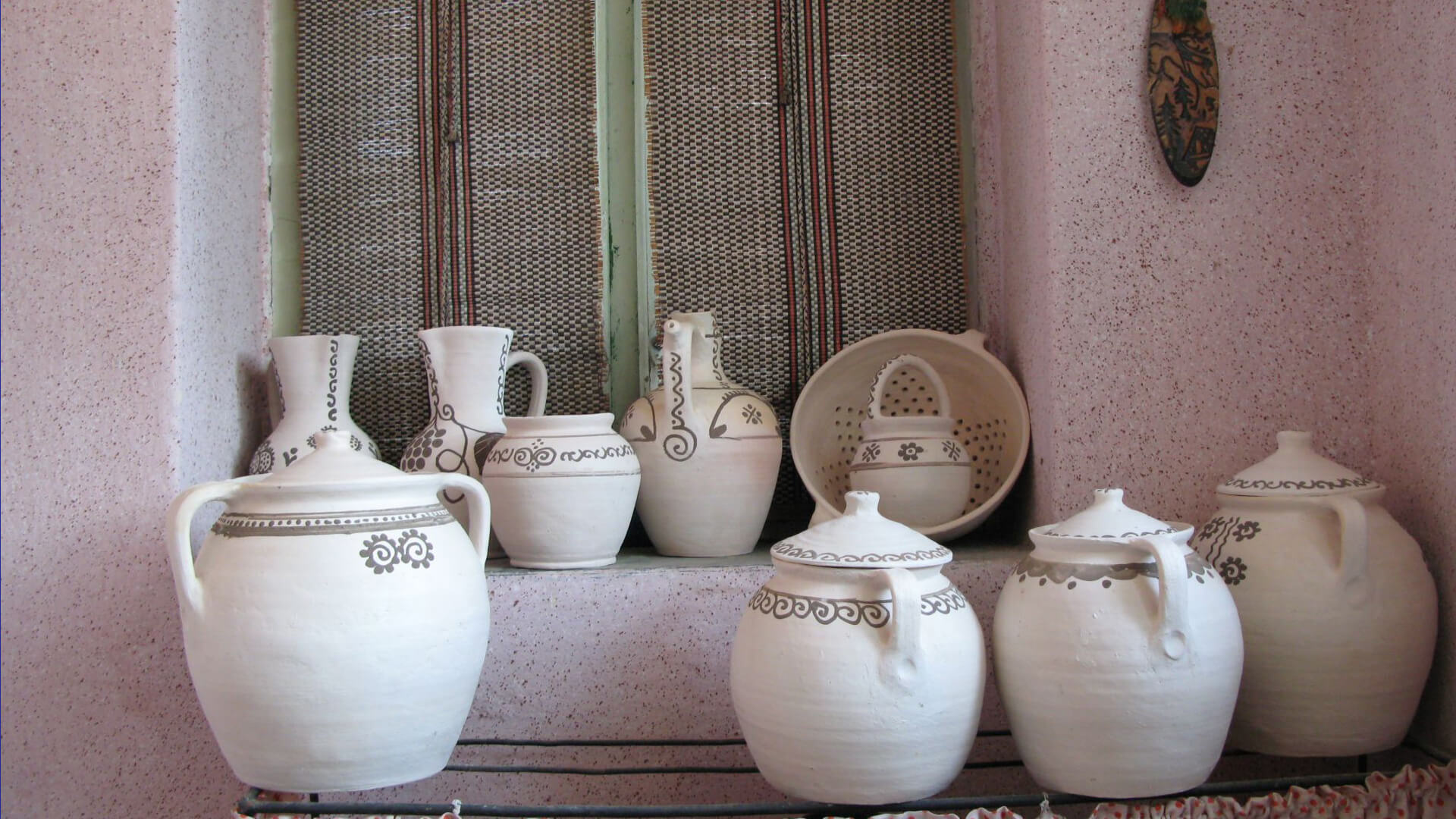
Through projects such as “Patrimonium țaranului rești: x-raying, valorization and exposure” (AFCN, 2007) or “Forumul tradițiilor creative” the activity of craftsmen and the way in which they have adapted to the contemporary handicraft market are documented (see also MARTOR no. 13/2008). The project “The Heritage of the Recent Peasant: X-raying, Valorization and Exhibition”, through its most important component, the exhibition “The Handicraft Market”, marked the opening of the MNȚR collections to recent objects and neo-artisanal production, drew attention to aspects related to the current marketing of artisanal products, the application at the local level and in terms of heritage of the market rules of the global economy, and by exhibiting the objects and materials obtained during the project, it aimed to reflect the changes in the village world – the communist regime with forced industrialization, the fall of the regime with the socio-economic disturbances that followed, integration into the European Union – which influenced the perception of heritage. The results of the project’s research were communicated at the international conference “Making and Consuming Traditions” organized at the MNȚR (2007).
Through the “Creative Traditions Forum”, a program initiated by Vintilă Mihăilescu, those local actors, both economic and cultural, who draw creative inspiration from traditional materials or techniques in their activities and products were identified, catalogued and presented to the public. It is, in essence, another form of patrimonialization and of bringing to the forefront crafts and knowledge that would otherwise perhaps have been forgotten.
Heritage and forms of social and cultural mobility
Population migration and tourism are just two of the most visible forms of this mobility, and under their impact hybrid forms of heritage appear, as a result of increasingly spectacular combinations of various traditions and customs, and interesting ways of capitalizing on a specific zonal, territorial heritage.
Recent heritage – vector of territorialization and de-territorialization processes
The reference point of this research direction is the heritage located at a territorial scale, aiming to affirm a territorial specificity. Heritage thus becomes a key domain in the most diverse territorial constructions, marking both territorialization and de-territorialization processes. Heritage is approached in this case from the perspective of the living environment, taking into account both natural resources, specific biodiversity, but also the various life experiences specific to a given territory, paying special attention to the actors involved in the relationship with heritage (from locals to tourists, specialists, economic agents, etc.). This relationship does not always imply only protection and valorization, but also indifference, negligence, forgetting.
The project "Geo Sust - applied research for sustainable development and economic growth (2014 - 2016), funded by EEA Grants and the Ministry of National Education and implemented by the "Sabba Ștefănescu" Geodynamics Institute with the MNȚR as a partner, aimed precisely at approaching the elements of cultural heritage (material and immaterial) in close correlation with both the geological and natural heritage existing in the studied territory (the northwestern area of Buzău county) and especially with the way in which the inhabitants of the researched region perceive and assume this heritage. The project also had an important exhibition component materialized by participating in the arrangement of the "Timpul Omului" Museum in 2015 (Mânzălești, Buzău county), and as a continuation of it and for the dissemination of the research results, an independent exhibition project followed at the MNȚR ("Ţinutul Buzăului. Priveliști. Rosturi. Povești", 2017).
Heritage Legislation and Ethics
This research direction considers the relationship between national and international laws on heritage protection, the evolution over time of this complex legislation, as well as the repercussions of legislative processes at the level of each individual institution and at the level of the attitude of the actors involved in heritage protection. An important aspect is the degree of inclusion in legislation of ethical aspects, the issues of copyright, inheritance of a heritage, the dynamics and consequences of patrimonial reversions, etc. The issue of patrimonial ownership is one of the most thorny, inevitably influencing the evolution of heritage legislation.
Institutionalization and deinstitutionalization of heritage.
This research direction studies the role that cultural institutions (including the National Museum of the Romanian Peasant), which until recently had a certain control in the management and promotion of heritage, have in the heritage field today, when there is more and more talk about the de-institutionalization of heritage processes. The relationship with local communities and authorities, with heritage professionals, the relationship with the past and with institutional tradition are researched.
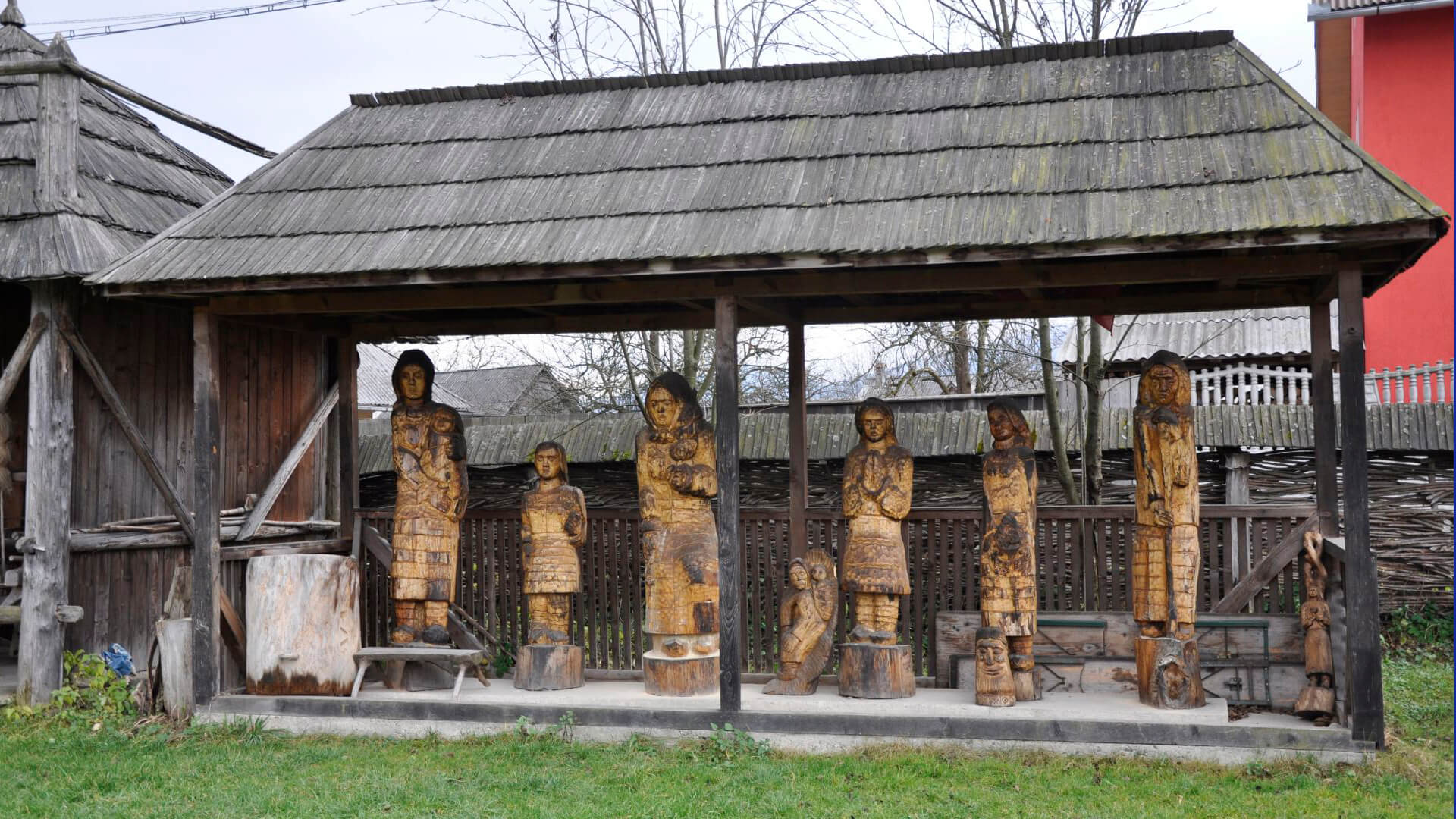
The “Villager Collections in Romania” program (2008 – 2012) implicitly touched on this issue, aiming to identify, research and promote private village ethnographic collections, but also to professionalize collectors and mobilize them in the sense of associating in a guild. In 2008, the MNR launched a pilot project (“Local Heritage and Identity. Identification and Promotion of Village Collections in Romania”) that targeted a cultural phenomenon ignored by both the authorities and Romanian legislation: the development and emergence after 1989 in rural areas of private collections of objects of ethnographic interest, partially open to the general public or accessible only to a specialized public, created by people with initiative, without specialized training, in personal households or in spaces purchased through their own financing, considered “museums” by both the initiators and the community. This turned into a program, and through the actions carried out, the museographers and researchers from the MNR managed to successfully combine the mission of mediation with that of training.
The program included several cultural, research and exhibition projects (including the exhibition "Collection of Collections" at the MNR - 2008; "Village Collections in Romania. Heritage and Local Identity" - AFCN, 2009; "Village Collections in Romania. A Future for Heritage, a Heritage for the Future" - AFCN, 2011. Within this program, the MNR initiated a provisional database with approximately 65 identified collections, nationwide, conducted applied research in 14 of these collections (Bihor, Bistriţa Năsăud, Constanţa, Galaţi, Harghita, Hunedoara, Maramureş, Olt, Sibiu, Vrancea counties), organized training courses for collectors, with the aim of providing them with a minimum of necessary knowledge regarding heritage, legislation in the field, methods of conservation, enhancement and promotion of collections, attracting funds for projects cultural, edited a publication in two editions ("Slaves of the Beautiful. Village Collections from Romania", 2008 and 2012, which can be consulted online on the CIMEC website here https://muzee-rurale.cimec.ro/biblioteca-digitala/3-robii-frumosului-muzee-si-colectii-satesti-din-romania), popularized the phenomenon and the program among specialists through an issue of the Martor magazine dedicated exclusively to local heritage (no. 14/2009) and through a public conference ("Collections and local heritage" held within the Road Conferences cycle of the MNR).
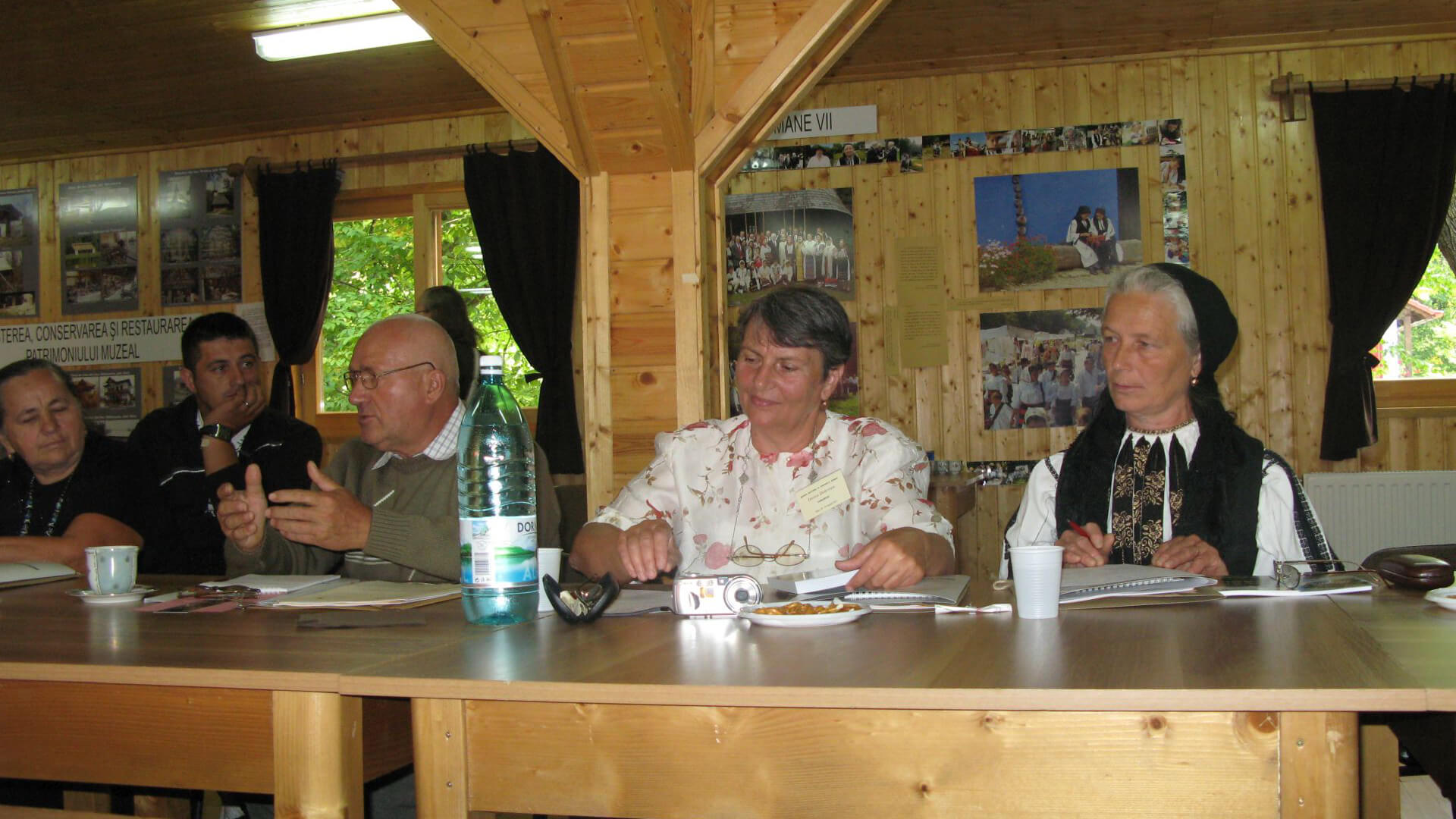
The most important result of the program was the establishment in 2011 of the "Network of Private Village Ethnographic Collections and Museums in Romania" (RECOMESPAR), a professional association established with the support of the MNȚR in order to support, promote and develop the ethnographic museum sector with village content and private status, which includes collectors of ethnographic objects from all regions of the country (Alba, Argeș, Bihor, Bistrița-Năsăud, Caraș-Severin, Galați, Harghita, Hunedoara, Olt, Sălaj, Sibiu, Suceava, Timiș, Vrancea), but also to ensure an environment conducive to dialogue and the development of projects to support initiatives to valorize local heritage. RECOMESPAR has set itself the objectives of preserving, developing, promoting and intelligently valorizing the heritage preserved through private village ethnographic collections, respecting the original concepts of exhibition specific to each collection, as well as representing the cultural interests of collectors in relations with state authorities, along the lines outlined by the priority cultural policies of Romania and the European Union.
In the same direction, and as a continuation of this program, the research project "Local Actors of Heritage" was initiated, which documents how heritage actors (collectors passionate about peasant objects, who inaugurated small local museums and exhibitions, local photographers, etc.) have evolved in the last ten years in the Jiu Valley area and in southern Transylvania.
Recent heritage and virtual environments
The accessibility of heritage data is favored by digitization and their online dissemination in the form of platforms and applications. The Internet favors the rapid popularization of heritage, determining the aggregation of individual experiences to collective ones, various forms of appropriation of cultural values.
On the other hand, the promotion and popularization through the virtual environment raises a series of problems of perception and relationship with the physical environment. The question that arises is to what extent the "virtualization" of heritage entails only added value or, on the contrary, also involves numerous losses of value.