
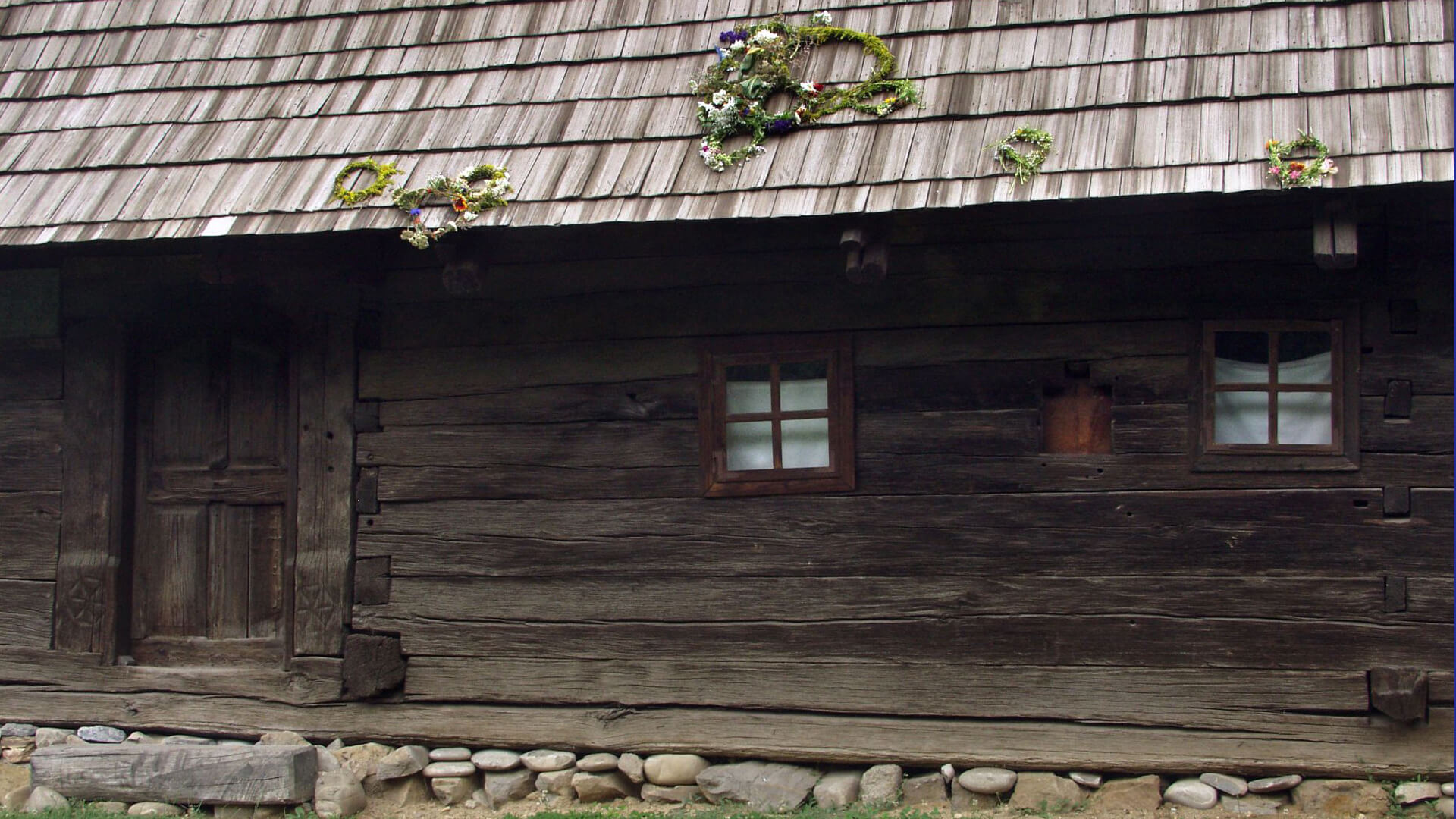
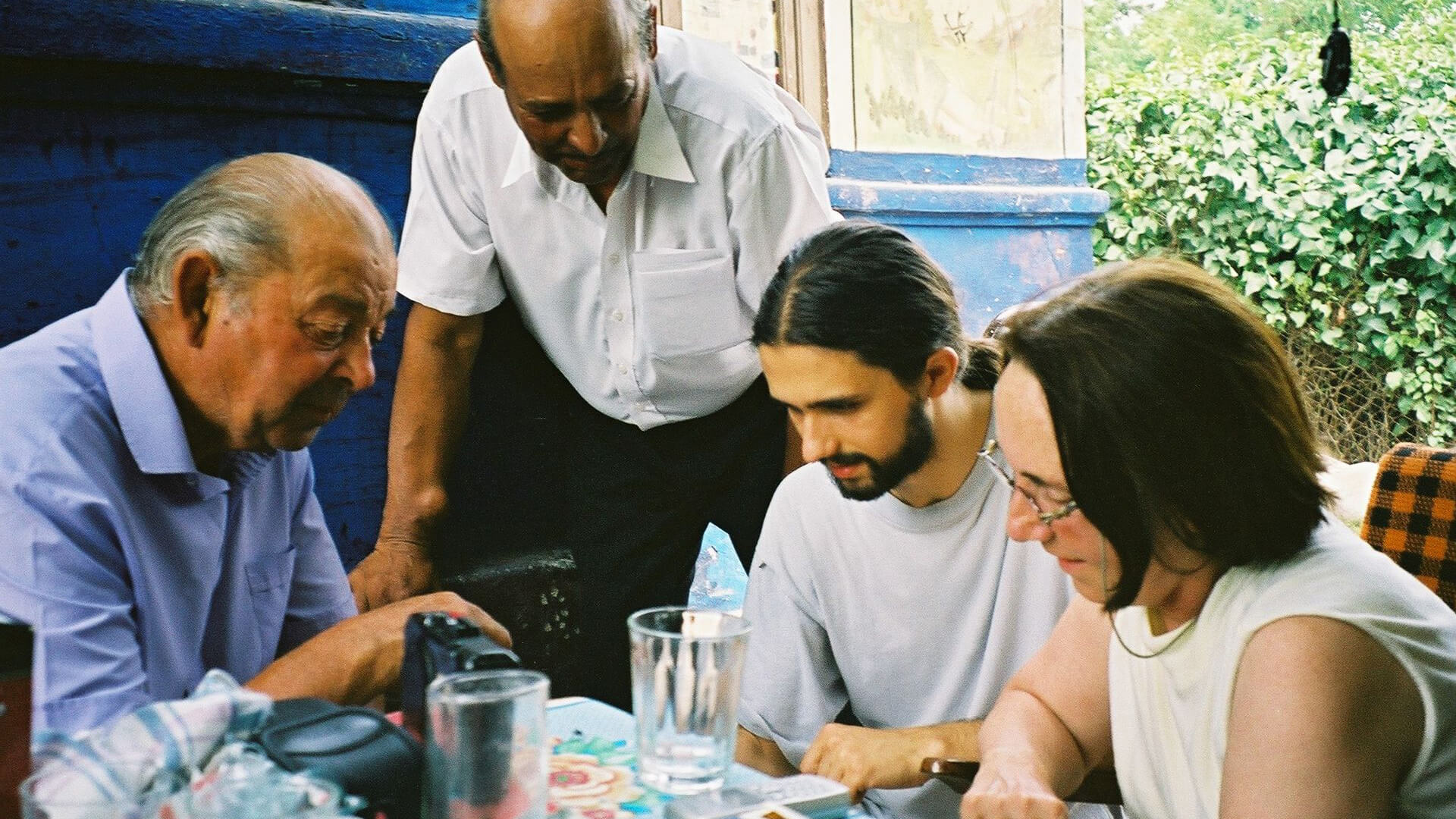
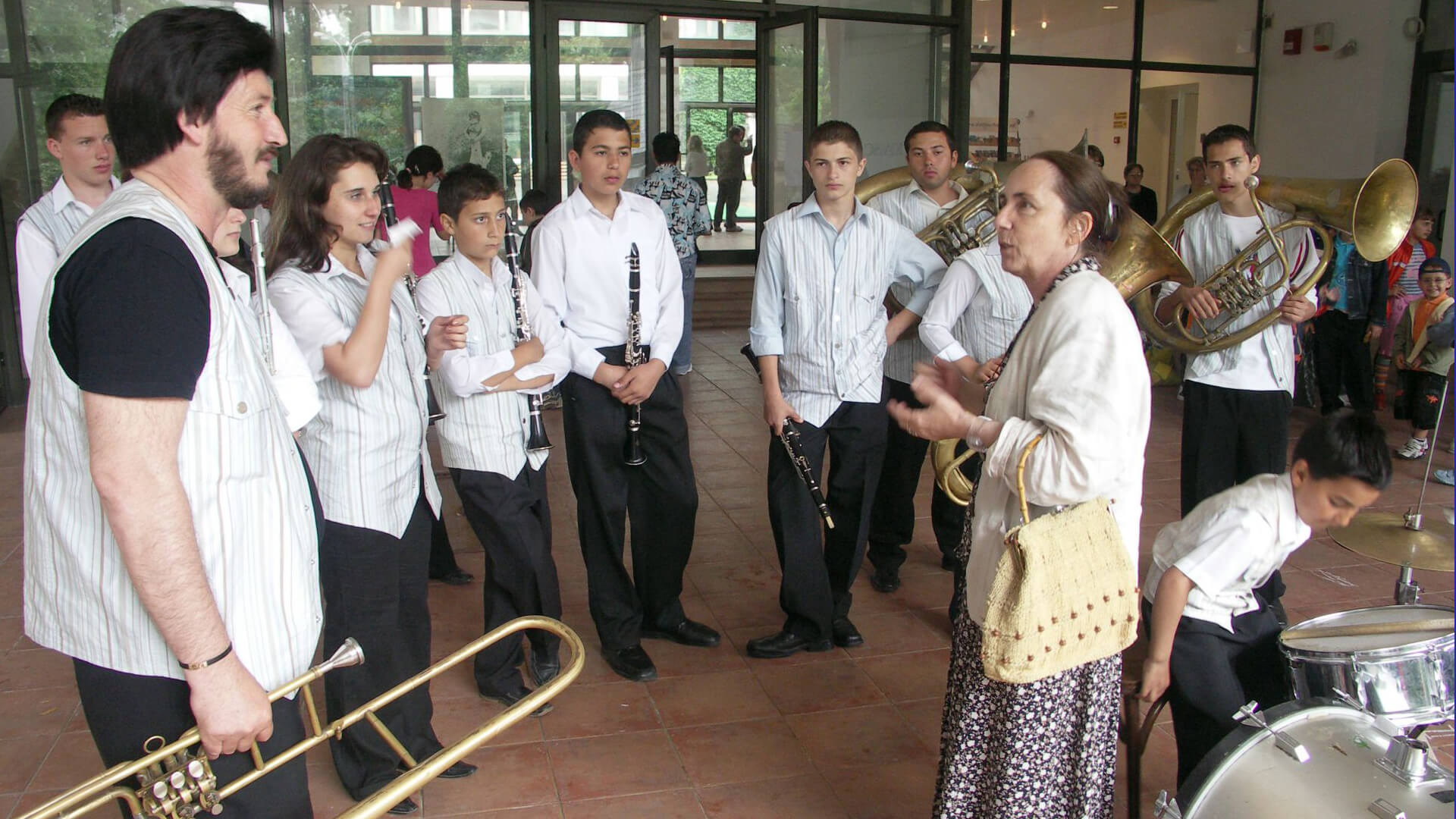
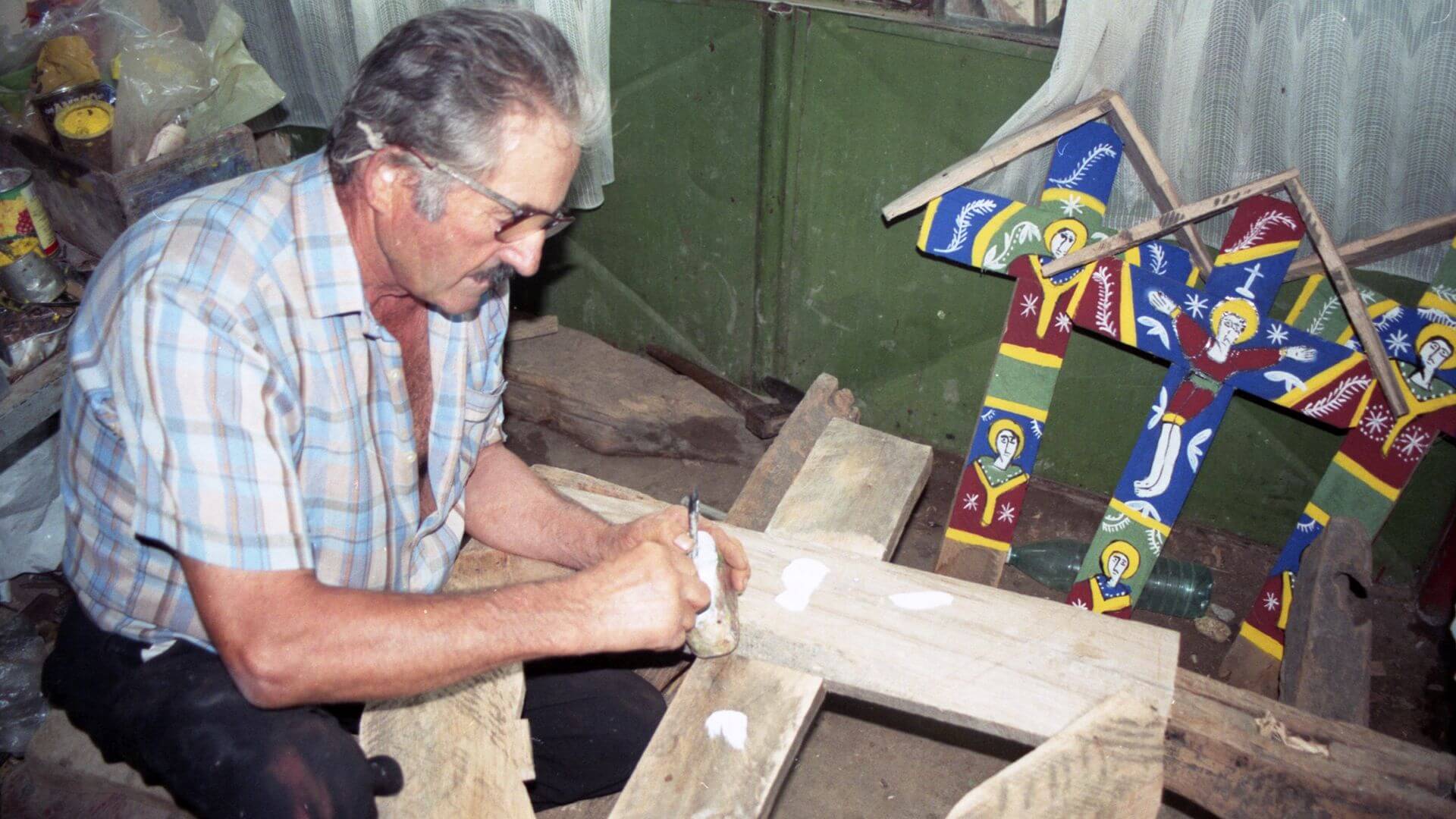
Emergency Ethnology, In the increasingly accentuated whirlpool of the contemporary world, defined by modernization, technology, migration, mechanization, etc., the rural world is also changing radically, with a specific oral culture, in which traditions are perpetuated across generations. Thus, through this research direction, MNȚR aims to document cultural phenomena and practices threatened with extinction or irreversible transformations.
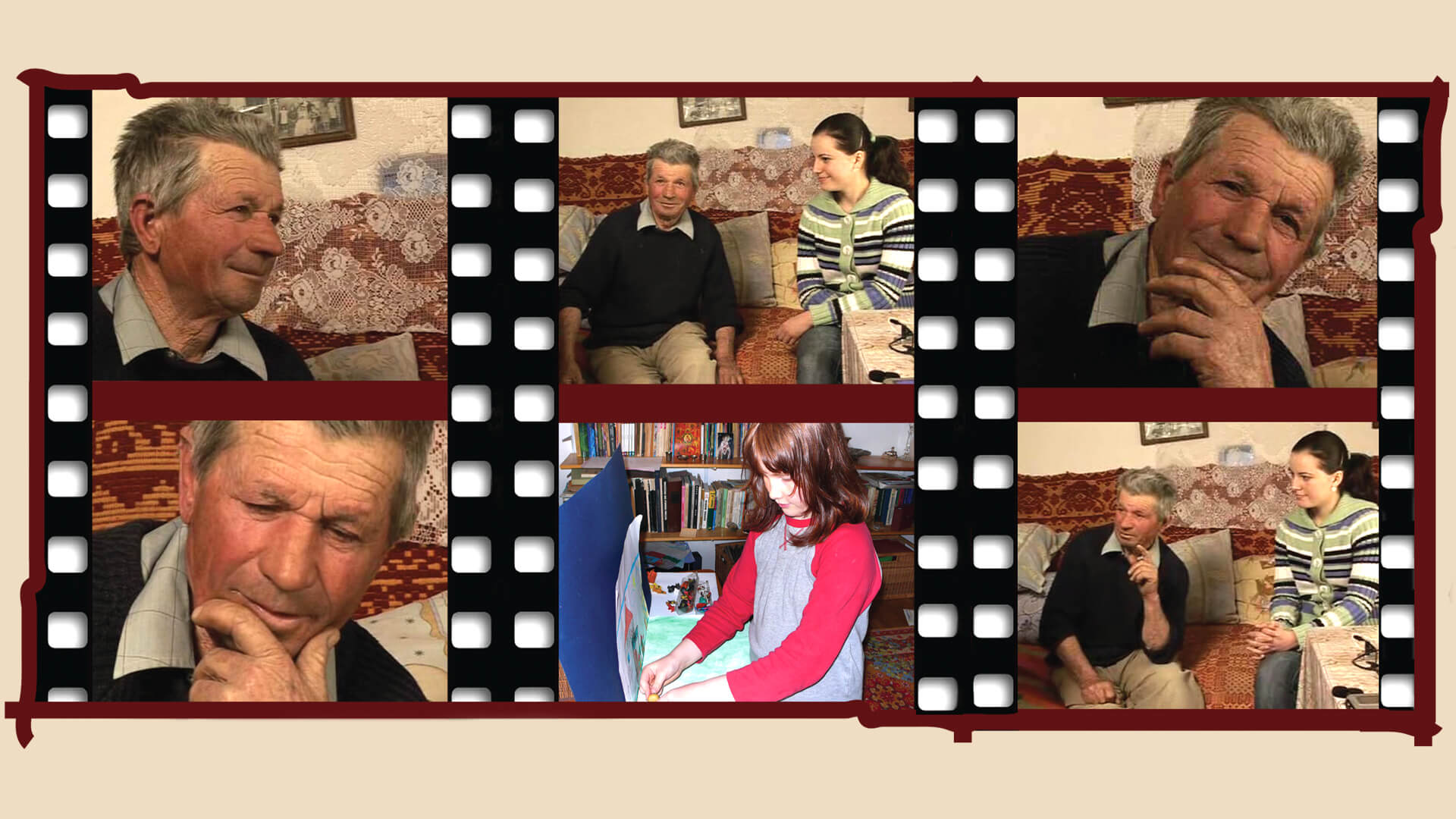
One such practice is the phenomenon of storytelling, which, because television, radio and the internet have penetrated everywhere, is less and less used in communities. That is why the museum's researchers record storytellers from the village world, in order to then put, in a child-friendly form, the legends and fairy tales told by them. So far, a storyteller from Teleorman and an old storyteller from Suceava have been discovered, each possessing a rich repertoire of fantastic fairy tales, fairy tales with animals, snoaves and riddles, an extremely rare phenomenon today. In 2012, a book was published for children, using Alexandru Ovedenie's wonderful stories, "Moșul-cu-Trup-de-Flori-și-Barbă-de-Mătase", with AFCN funding, and another book is currently being prepared, dedicated to Valeria Olenica's stories.
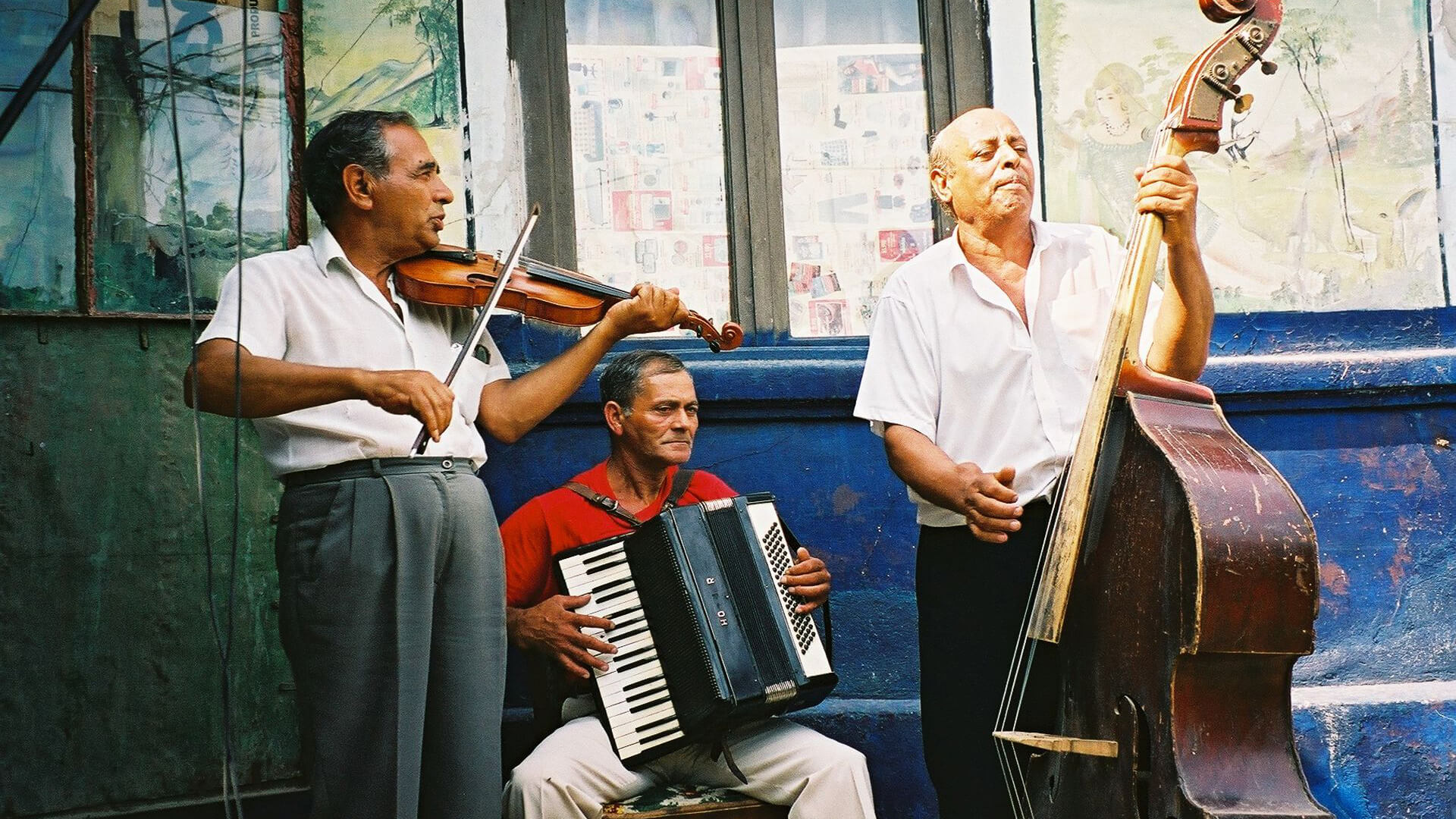
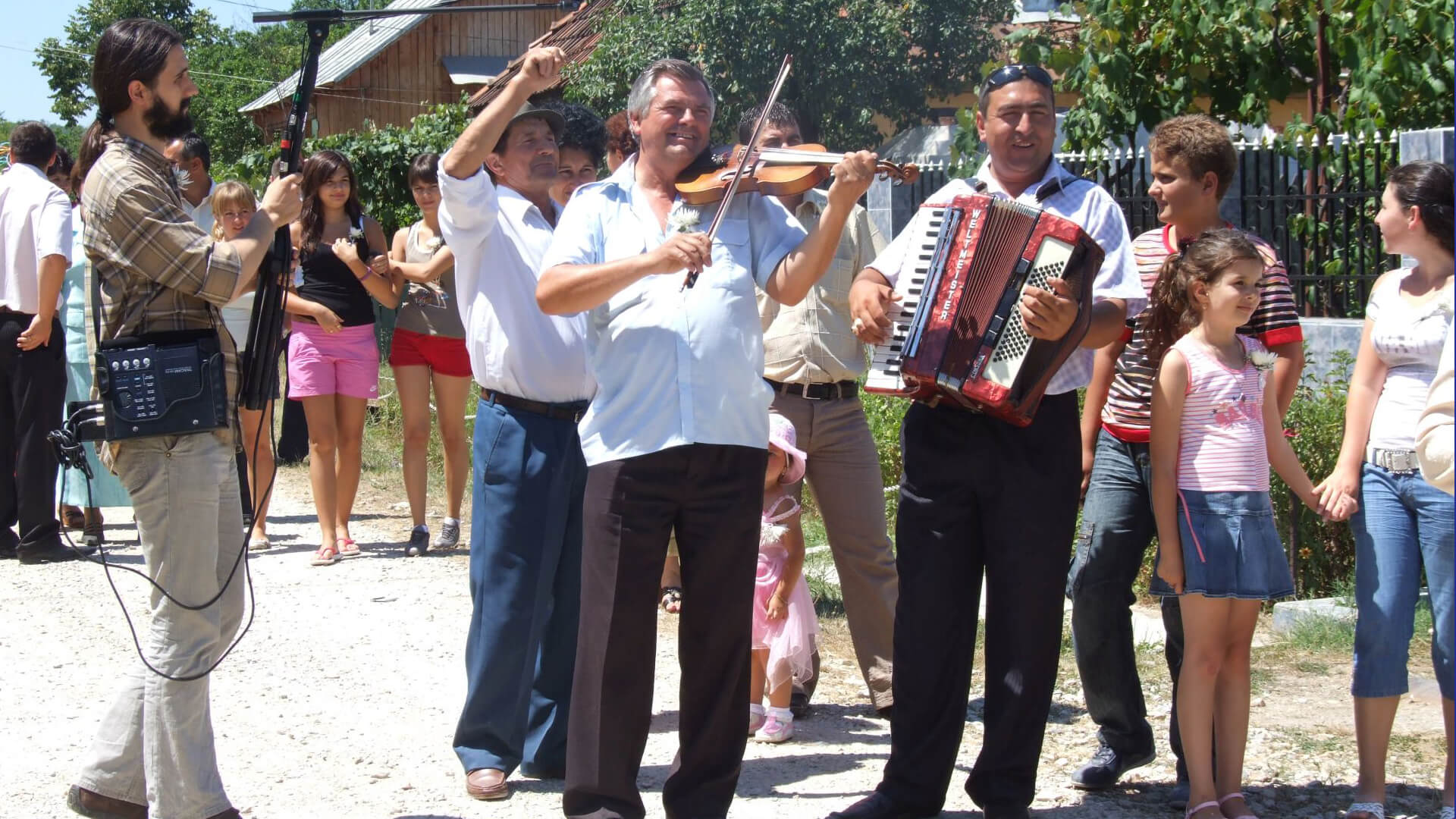
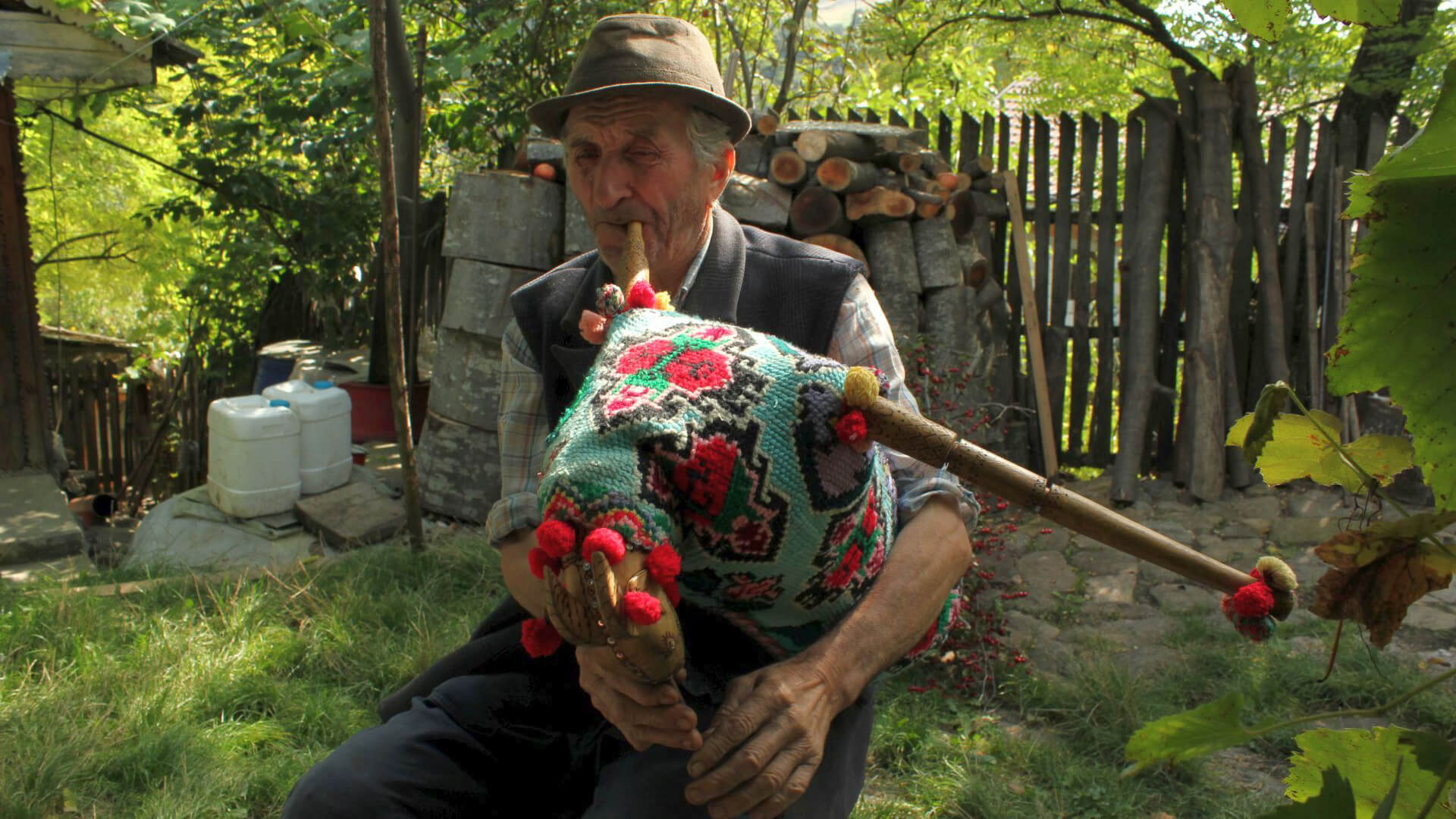
Peasant music is recorded and researched, and then made available to the public through the Ethnophonie collection of traditional music recordings, initiated in 1992 by ethnomusicologist Speranța Rădulescu and Horia Bernea, and then continued by Florin Iordan and Costin Moisil. The project maintains its role as a genuine alternative to official folk music, but also assumes the new function of an alternative to globalizing music, insisting on the preservation of regional identity expressed through music.
Another example is the project History of the Aromanians through Songs, which concerns research into how ethnic identity is constructed among the Aromanians through the repertoire of community songs.