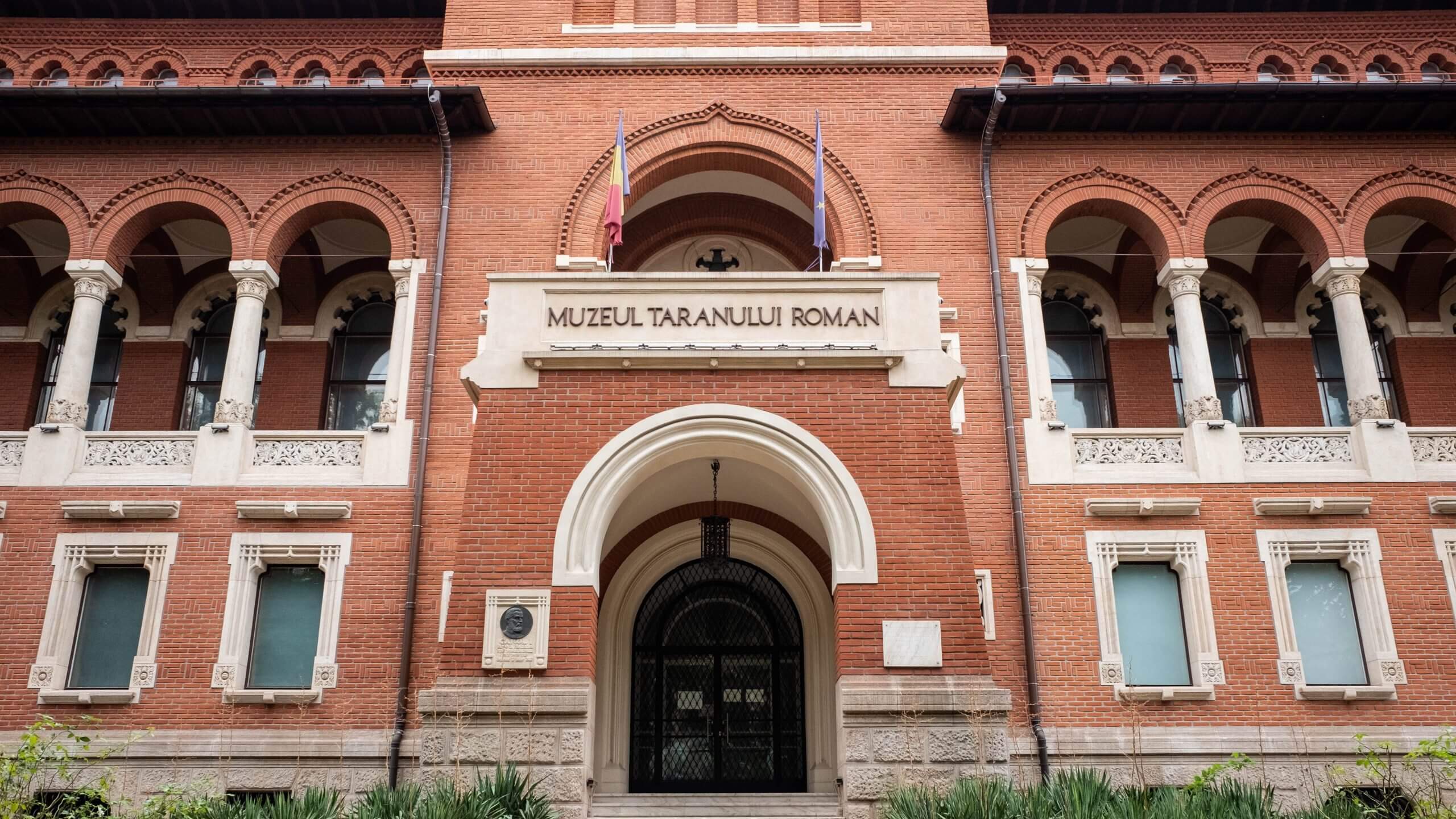
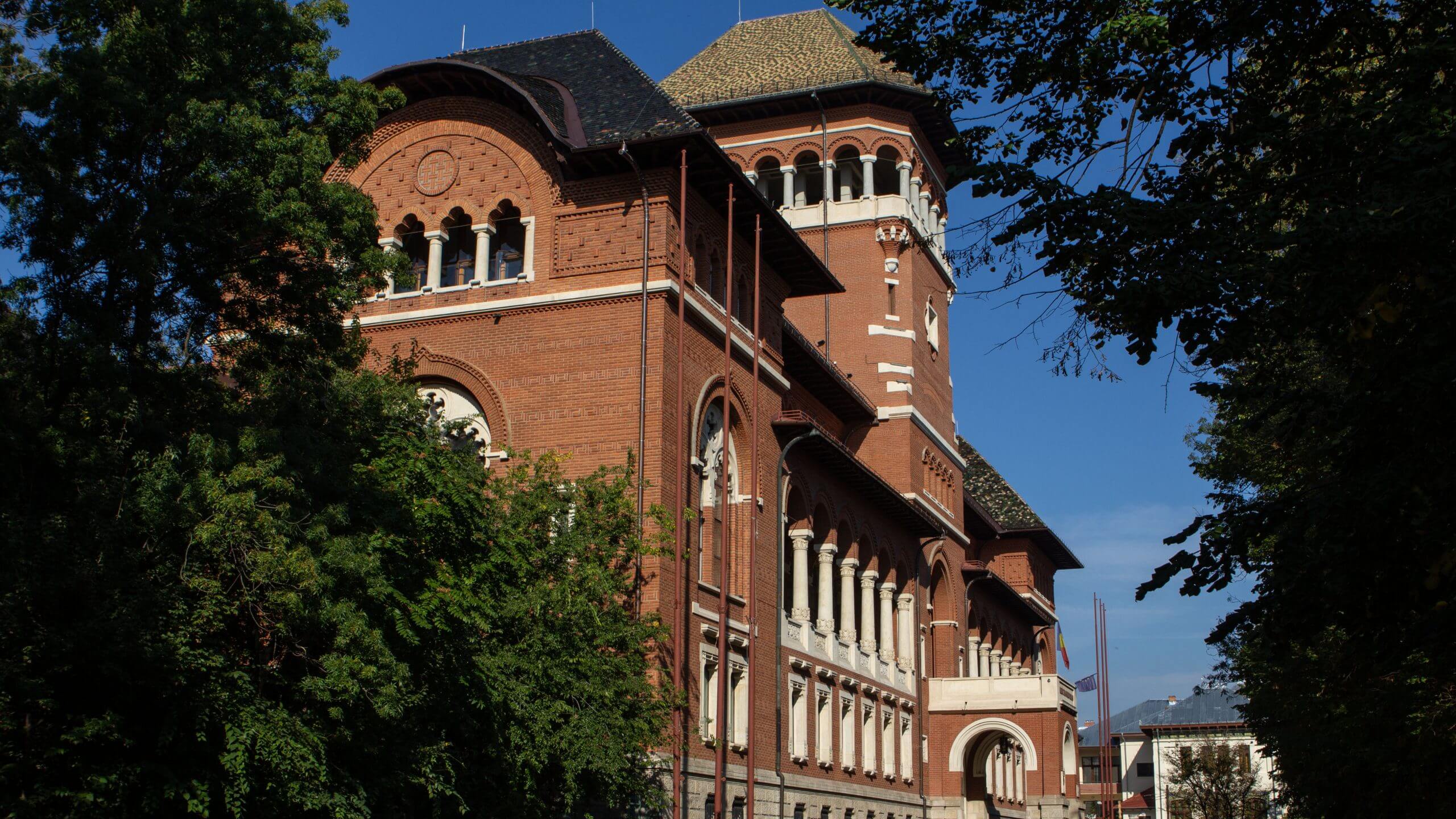
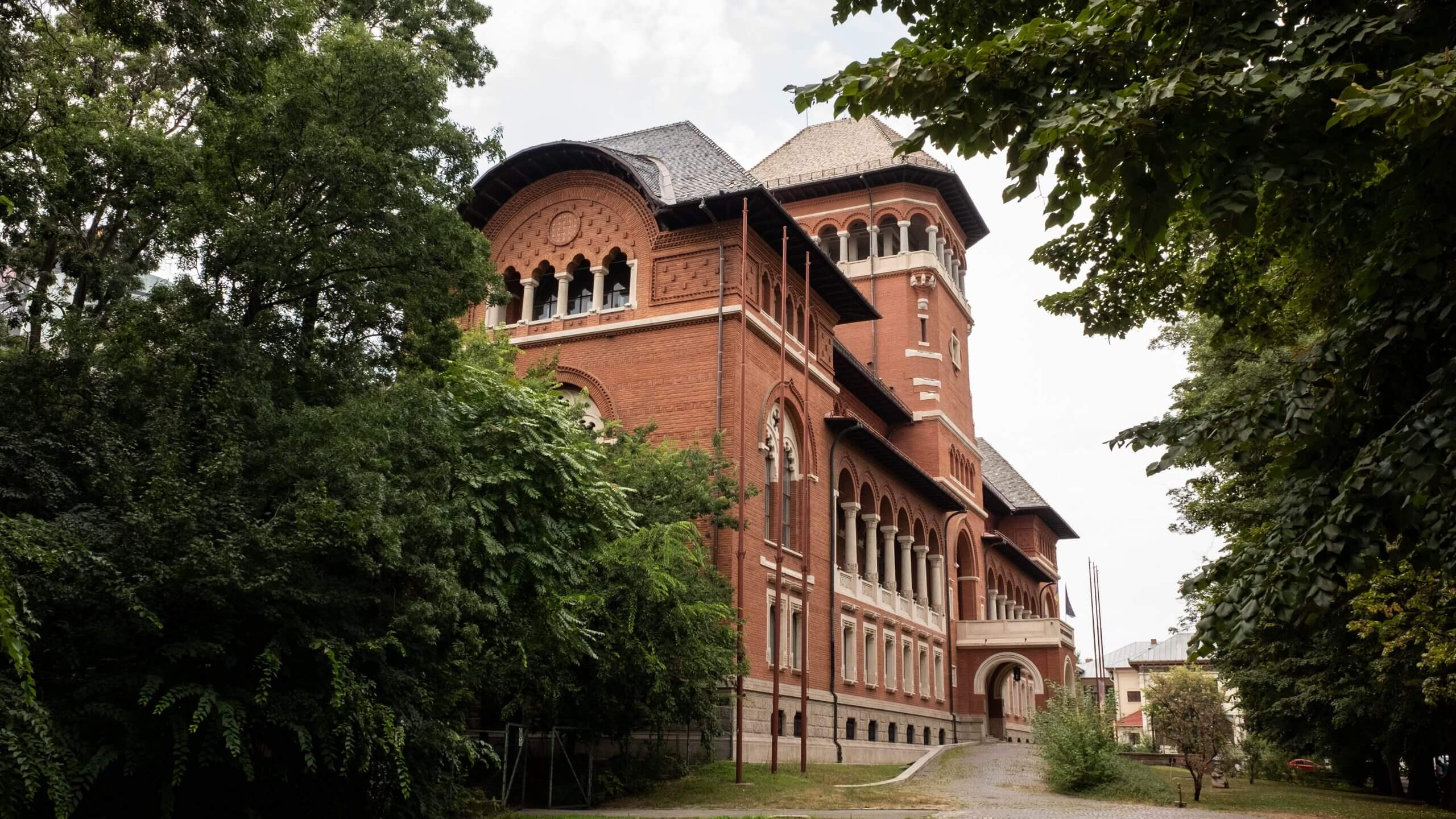
The building of the National Museum of the Romanian Peasant is located in Victoriei Square in Bucharest, next to the “Grigore Antipa” Museum of Natural Sciences and the Geology Museum. The one appointed to draw up the project and manage the works will be the architect N. Ghika-Budeşti, a brilliant representative of the local school of architecture who, according to the museological option of the ethnographer and director Alexandru Tzigara-Samurcaş, was to erect “a palace of earthly art”, arranged in the form of monastic-type enclosures.
After 29 years, at the end of endless interruptions, the headquarters of the Museum of the Romanian Peasant will be completed, in 1941, taking on the appearance of the current architectural monument.
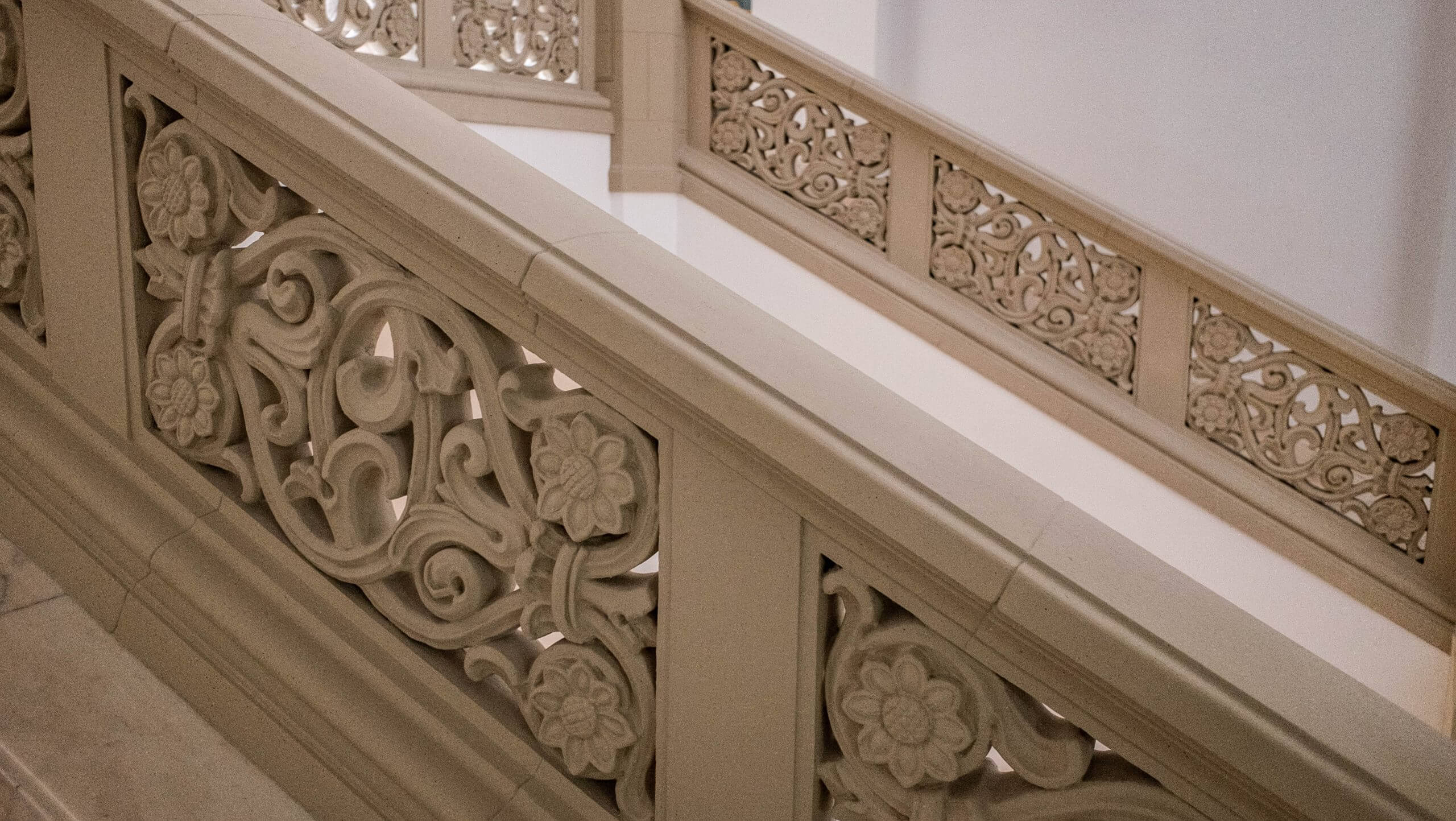
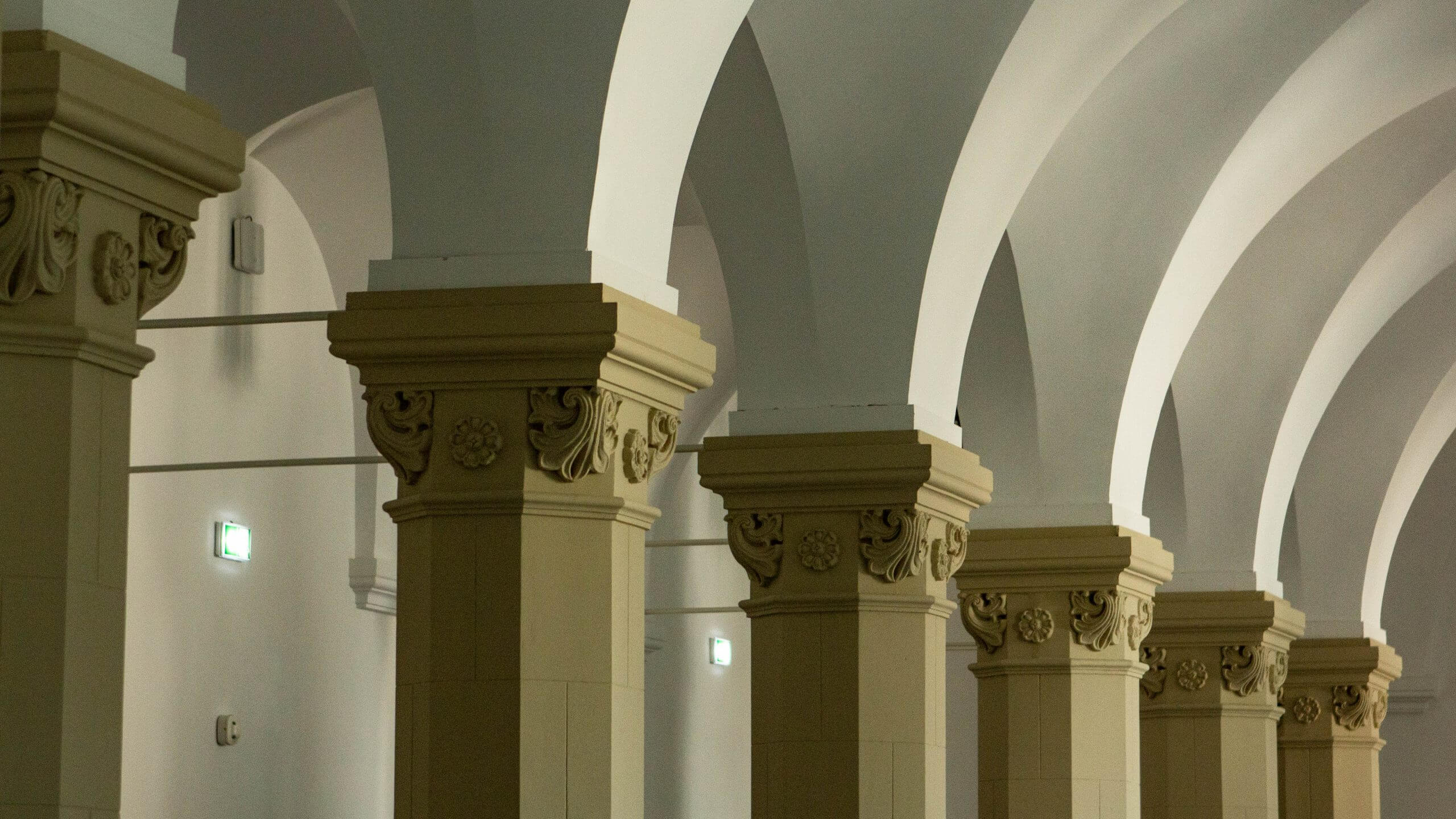
An illustration of the neo-Romanian style inspired by the traditional architectural background, especially that of Brâncove, the work stands out for the expressiveness of the composition as a whole, complemented by the balanced use of floral and zoomorphic decorative elements. The apparent red brick masonry, the large windows united under the arches, the columns of the loggia, the balustrade, the openwork elements, the elegant silhouette of the central tower with the image of the gazebo reminiscent of the bell towers of old monasteries, etc. give the building the measured sumptuousness of a true palace of art.
In the 1960s, a central body of offices and related rooms was added to the building, built, however, by completely disregarding the basic stylistic data of N. Ghika-Budeşti's conception. The new construction, located sideways, behind the monumental edifice, is also individualized by a large-scale mosaic, created in the spirit of the quasi-proletcultist period of communist totalitarianism.